Debunking myths on genetics and DNA

Showing posts with label immune system. Show all posts

Friday, April 1, 2016

Allergies: Can Too Much Hygiene Actually Harm Us?


It's that time of the year again. You step out of the house and your eyes itch, your nose starts running and your head feels like an empty balloon. Yes, it's allergy season again. Even the resilient ones, give them enough time and eventually they will develop some form of allergic reaction.

But what are allergies and why do so many people suffer from them?

Allergies are a glitch in our immune system. The immune system is built to recognize and destroy pathogens -- potential threats like viruses and harmful bacteria. Unlike pathogens, allergens are substances that, despite being harmless to the body, still trigger a response from the immune system. As soon as the allergen is detected, the immune system releases a class of antibodies called IgE. These antibodies signal the cells to release histamine, a neurotransmitter that triggers all the pesky symptoms typical of an allergic reaction: wheezing, watery eyes, running nose, coughing, and all the like.

Spring is a particularly dreaded time of the year for allergy sufferers because of all the pollen released in the air. Global warming has impacted the duration and spread of pollen allergies: shorter winters and warmer temperatures translate into longer pollen seasons, which in turn increase the duration and severity of symptoms for allergy sufferers. In addition, they also increase the exposure and possible sensitization of people who don't suffer from allergies ... yet [1].

Are allergies on the rise?

In his 2015 review [2], Thomas Platts-Mills, of the University of Virginia School of Medicine, looks at the prevalence over the past five decades of asthma, hay fever, and peanut allergy, and reports a progressive increase in pediatric asthma, as well as a "dramatic" increase in food allergies. Allergies are more prevalent in developed countries, and particularly in urban settings, suggesting that something in the industrialized lifestyle may have triggered the increase. However, given the many drastic changes introduced in these countries over the past century, it's hard to pin-point one specific cause. Several factors have been suggested as possible explanations: changes in hygiene, for example, together with a decrease in outdoor life, smaller families and no more exposure to farm animals, have significantly reduced our exposure to bacteria; the progressive use of antibiotics and antimicrobial products have also reduced such exposure; less outdoor time also means less physical activity, more exposure to indoor allergens, and an increase in body mass.

First proposed in 1989 [3], the "hygiene hypothesis" -- the theory that the rise in allergic reactions is caused by a decrease in childhood exposure to harmless bacteria -- has grown to encompass many other disorders, not just allergies. The theory originally spurred from the observation that children with a higher number of siblings had a lower risk of developing asthma, something that led researchers to think that this was due to a higher exposure to bacteria.

The human microbiome is the set of all bacteria coexisting in our body. They are estimated to outnumber our cells by 3:1 and the vast majority of these organisms are not only harmless, they actually play an important role in our health. For example, by modulating the concentration of chemicals that are precursors of important neurotransmitters, they can affect our mood and mental health [4]. They can also influence our propensity to certain phenotypes such as leanness or obesity by affecting gene expression in our guts [5].

Scientists have used a mouse model to show that by transferring gut micriobiota from allergic mice to resistant mice they could actually transfer the food allergy to the latter [6], proving a correlation between the two. Tolerance to food is acquired during infancy thanks to the interaction between the immune system and the gut microbiota, and therefore, early development of the gut microbiome is believed to play a fundamental role in the predisposition to allergies and other diseases later in life. Indeed, in the industrialized countries that are experiencing an increase in allergies, scientists have observed a delayed gut colonization after birth, less biodiversity in the gut microbiome, and reduced turnover of gut bacterial strains in infants [6].

Three major factors could be responsible for this: (i) natural birth versus C-section (a C-section deprives the newborn of beneficial exposure to commensal bacteria residing in the birth canal); (ii) breast-feeding versus formula; (iii) early exposure to antibiotics. All three practices -- C-section, formula feeding, and the use of antibiotics and antimicrobial products -- have been increasingly used in developed countries, and all three affect the development of the gut microbiome of infants. While studies that have looked at possible associations between any one of them and the risk of allergies so far have not yielded conclusive results, the differences in microbiomes between healthy people and those with asthma and allergies are an indication that early exposure to bacteria may protect against these conditions [7].

Is there such a thing as too much protection?

These observations don't mean that we should all stop washing our hands and start living filthy. They do, however, point to a trend in overuse of antimicrobial household products (soaps, laundry detergents, kitchen cleaners, etc.). These products should be used with care and only when truly needed. In most instances, natural substitutes like vinegar to clean surfaces are a better choice, as they keep your kitchen clean without killing microorganisms that are actually beneficial to our health. As much as we strive to protect our little ones, remember that childhood exposure to pathogens makes your child's immune system grow stronger and well trained to recognize bigger dangers. (On a side note, vaccines equally stimulate the immune system without the hassle of all the symptoms.) Finally, global measures like recycling gray water can benefit both the planet and our own health, as it saves gallons of drinking water from being used in landscaping and farming, while restoring important bacteria into the soil and back into our environment.

References

[1] Ziska, L., Knowlton, K., Rogers, C., Dalan, D., Tierney, N., Elder, M., Filley, W., Shropshire, J., Ford, L., Hedberg, C., Fleetwood, P., Hovanky, K., Kavanaugh, T., Fulford, G., Vrtis, R., Patz, J., Portnoy, J., Coates, F., Bielory, L., & Frenz, D. (2011). Recent warming by latitude associated with increased length of ragweed pollen season in central North America Proceedings of the National Academy of Sciences, 108 (10), 4248-4251 DOI: 10.1073/pnas.1014107108

[2] Platts-Mills, T. (2015). The allergy epidemics: 1870-2010 Journal of Allergy and Clinical Immunology, 136 (1), 3-13 DOI: 10.1016/j.jaci.2015.03.048

[3] Strachan DP (1989). Hay fever, hygiene, and household size. BMJ (Clinical research ed.), 299 (6710), 1259-60 PMID: 2513902

[5] Ridaura VK, Faith JJ, Rey FE, Cheng J, Duncan AE, Kau AL, Griffin NW, Lombard V, Henrissat B, Bain JR, Muehlbauer MJ, Ilkayeva O, Semenkovich CF, Funai K, Hayashi DK, Lyle BJ, Martini MC, Ursell LK, Clemente JC, Van Treuren W, Walters WA, Knight R, Newgard CB, Heath AC, & Gordon JI (2013). Gut microbiota from twins discordant for obesity modulate metabolism in mice. Science (New York, N.Y.), 341 (6150) PMID: 24009397

[4] Li, Q., & Zhou, J. (2016). The microbiota–gut–brain axis and its potential therapeutic role in autism spectrum disorder Neuroscience DOI: 10.1016/j.neuroscience.2016.03.013

[6] Molloy, J., Allen, K., Collier, F., Tang, M., Ward, A., & Vuillermin, P. (2013). The Potential Link between Gut Microbiota and IgE-Mediated Food Allergy in Early Life International Journal of Environmental Research and Public Health, 10 (12), 7235-7256 DOI: 10.3390/ijerph10127235

[7] Riiser, A. (2015). The human microbiome, asthma, and allergy Allergy, Asthma & Clinical Immunology, 11 (1) DOI: 10.1186/s13223-015-0102-0

ResearchBlogging.org

Sunday, November 1, 2015

How one vaccine can protect you from more than one disease


The paper I'm discussing today came out last May in Science but, as you probably noticed, I've been busy posting about other things and neglected the science aspect of the CHIMERAS blog. Apologies to my science readers.

Viruses are pesky little things that have the innate ability of inserting genetic material into our cells. As such, they are capable of permanently changing our immune system: for one thing, our immune system learns to recognize the pathogen and that "memory" will be used to prevent future infections. Viruses can also alter the expression of certain genes within the infected cells, shutting off the production of proteins that would otherwise prevent the virus from replicating.

Viruses that infect preferentially cells from the immune system are particularly nasty. HIV, for example, gradually depletes the host's reservoir of T-cells (the "sentinels" of the immune system) until patients die of a common infection simply because their body can no longer fight pathogens.

HIV is not the only virus that attacks the immune system. Measles is another one. The virus enters cells through a receptor that's expressed on the surface of many immune cells such as dendritic cells, macrophages, and lymphocytes. All of these cells have a very important function: they retain "immune memory." What does it mean? Every time the immune system encounters a new pathogen (a virus, a bacterium, etc.), bits of proteins from the pathogens are presented to the immune cells. The immune cells create an "impression" of these proteins so that they can bind to them and destroy them. using a metaphor, they create a "mold", a special receptor that binds to the pathogen. Lots of cells with the special "mold" are created, so they can bind to the pathogen, capture it, and destroy it. A whole army of cells needs to be created in order to get rid of the million viral particles in the body, but once the infection is over and the full army is no longer needed, only a few of these cells with the special "mold" are saved. These few are the ones that preserve the memory of the specific pathogen, so that next time it enters the body it is recognized immediately and destroyed before it can start the infection.

Back to the measles virus. This nasty pathogen has a special receptor that allows it to enter the cell membrane of "mature" immune cells [1], i.e. cells that carry that special "mold" for a particular pathogen. By infecting and killing those cells, the measles virus effectively erases immune memory, making the host prone to be reinfected by pathogens it has already encountered. So, on the one hand, the virus stimulates immune responses that will protect from future measles infections. On the other hand, however, it erases some of the existing defenses against other pathogens. It's called the "measles paradox." Immune memory of previous pathogens is eared and replaced by measles-specific immune responses. [2]

A study published in Science last May [3] corroborated this finding by looking at child mortality data from England, Wales, the United States, and Denmark during the decades immediately preceding and following the introduction of the measles vaccine. The researchers showed that immune memory loss caused by measles infection lasted from 6 months to several years, and that vaccination against measles significantly reduced child mortality caused by non measles infections.

To further corroborate their analysis, the researchers applied the same techniques to pertussis, which is also known to cause immunosuppression. This time they found no correlation with the incidence of pertussis and non-pertussis infectious disease mortality, corroborating the hypothesis that it was the measles vaccine to cause the drop in mortality.
"MV infection and vaccination produce strong and durable herd immunity against subsequent epidemics. Our results thus suggest an extra dynamical twist: MV infections could also reduce population immunity against other infections in which MV immunomodulation could be envisioned as a measles-induced immune amnesia; hence, measles vaccination might also be preserving herd protection against nonmeasles infections [3]."
<\blockquote>

[1] Tahara, M., Takeda, M., Shirogane, Y., Hashiguchi, T., Ohno, S., & Yanagi, Y. (2008). Measles Virus Infects both Polarized Epithelial and Immune Cells by Using Distinctive Receptor-Binding Sites on Its Hemagglutinin Journal of Virology, 82 (9), 4630-4637 DOI: 10.1128/JVI.02691-07

[2] de Vries, R., & de Swart, R. (2014). Measles Immune Suppression: Functional Impairment or Numbers Game? PLoS Pathogens, 10 (12) DOI: 10.1371/journal.ppat.1004482

[3] Mina MJ, Metcalf CJ, de Swart RL, Osterhaus AD, & Grenfell BT (2015). Long-term measles-induced immunomodulation increases overall childhood infectious disease mortality. Science (New York, N.Y.), 348 (6235), 694-9 PMID: 25954009

ResearchBlogging.org

Sunday, February 22, 2015

Yes, autism is on the rise. Read this before blaming vaccines.

Waiting for the rain, © EEG

Because I work on HIV vaccine design, lately I've often been involved in debates concerning the safety of vaccines. I have the greatest respect for parents who struggle with disabilities of any kind, especially in children. I'm a parent too and can't even imagine what life is like when your child has a permanent disability. But I'm also a scientist, and I believe in the good cause of my work. My boss has been working day and night for thirty years on a vaccine against HIV because her best friend died of AIDS. We have pictures of AIDS orphans on our desks. We are not monsters, we are not part of a conspiracy, we are not paid by companies to fool people.

In fact, because we do basic research, our salary will be paid whether or not we do succeed in finding a vaccine. It's just our job, and we have no financial gain in this. If you want to point fingers, do it at companies who do make a profit out of health care, or out of selling plastic (and hence bypassing necessary health testing), or out of selling food. As a parent, I am the first to be concerned about the health of our children. I don't accept anything blindly without doing research, be it a vaccine or a drug or a type of food.

I've discussed aluminum in vaccines and why it's a good idea to spread out the shots during the first year of life; I've also discussed why I decided to wait before letting my daughter have the HPV shot. At the same time, parents concerned about autism are right to be alarmed: if you look at the latest numbers published by the CDC, the prevalence of autism in children has doubled. However, this trend has supposedly started in the last two decades whereas vaccines have been around much longer than that [1]. It's true that the US have an aggressive vaccine schedule for infants and I suspect it's tailored to reduce the number of office visits as copays are expensive and insurance companies need to make their profits. So yes, just like other parents, I am bitter at the system. I am bitter at companies profiting out of the health of my own children, not at researchers working hard at finding a cure for deadly diseases. My plea today is to separate the two: the cure, which, just like any other cure, should be used wisely and with good measure and balance, and the people making profits out of the cure.    

For example, nobody argues that antibiotics save lives. Unfortunately, today you find antibacterial stuff in soaps, detergent, even toothpaste. Doctors overprescribe antibiotics all the time. And then of course, poultry, beef and pork come loaded with antibiotics. This has led to extremely aggressive, antibiotic resistant superbugs like CRE. Yet nobody dreams of refusing antibiotics when they are really needed. That's because we all know that if you don't take them you might in fact lose your life.

What our society needs is stop pointing fingers, quit all the conspiracy crap, and instead sit at the table and discuss better health practices that don't put profits first but health and good care instead.

How should we address the rise in autism cases? I don't have an answer to this, but I did find a bunch of papers that got me thinking. I list them below.

DISCLAIMER: I'm not discussing these papers to point at a cause of autism. In fact, I believe that we will never find a cause, just like we will never find a cause of cancer. Like I stated in my post last week, we need to think of our lives as a complex orchestra where DNA, RNA, proteins and the environment all play together to create the beautiful symphony of our life. There never is one such thing as a direct cause. Often it's just genetics. Even more often is a genetic predisposition combined with multiple sets of environmental exposures, lifestyle, and diet. If your child has autism, please focus your energy in taking care of that child rather than trying to find a cause.

1) This study [1] looked into the raising numbers of autism cases:
"Diagnosed autism prevalence has risen dramatically in the U.S over the last several decades and continued to trend upward as of birth year 2005. The increase is mainly real and has occurred mostly since the late 1980s. In contrast, children's exposure to most of the top ten toxic compounds has remained flat or decreased over this same time frame. Environmental factors with increasing temporal trends can help suggest hypotheses for drivers of autism that merit further investigation [1]." 
So the threat is real. Yet vaccines have been around much longer than the 1980s.

2) Studies have found a higher incidence of autism in California, in higher educated families. This may be biased by the fact that people with a higher education will be more inclined to have their children tested for autism. But one study in particular [2] found another possible association:
"Our study adds to previous work in California showing a relation between traffic-related air pollution and autism, and adds similar findings in an eastern US state, with results consistent with increased susceptibility in the third-trimester [2]." 
The researchers monitored the air particulate at the birth address of the child starting from preconception through the child's first birthday.

 3) Breast feeding may play a protective role against autism spectrum disorders [3].

4) Inflammation may play a role. Le Belle et al. [4] used a mouse model to test the following hypothesis:
"A period of mild brain overgrowth with an unknown etiology has been identified as one of the most common phenotypes in autism. Here, we test the hypothesis that maternal inflammation during critical periods of embryonic development can cause brain overgrowth and autism-associated behaviors as a result of altered neural stem cell function [4]."
What they found supports the idea that, paired with genetic susceptibility, an infection in the pregnant mother could indeed higher the risk of developing autism in the child.

5) But one of the most fascinating associations I found is between gut microbiome and autism. Newborns are born without any bacteria in their guts and colonization begins right after birth. Vaginal birth vs. cesarean, breast fed vs. formula seem to be factors associated to the gut microbiota found in infants.
"Over the first years of life the gut microbiome is changing and remodeling, ultimately resembling an adult gut microbiome by year 3. This suggests there is a “core microbiome” that is the hallmark of a healthy individual [5]." 
This is particularly important because the microbiota community carries millions of genes whose expression affects our own physiology. The type and number of bacteria in our guts can influence the health and good functioning of our immune system.

Now, here's the worrisome bit:
"Broad-spectrum antibiotics are often prescribed to infants in the Western world in an attempt to protect the developing child from disease. In addition to conferring antibiotic resistance in infancy, antibiotic over usage can significantly disrupt the overall ecology of the gut microbiota, alter the abundances of resident gut bacteria, and potentially bias the child toward certain diseases [6]."
I'm not making a case that antibiotics are bad, just like I will never say that vaccines are bad. I'm just raising a flag that, like in all things, a good measure should be practiced. Antibiotics are a great means to fight infections. But is it safe to use them routinely to prevent infection?

The following study [7] is from 2000, so maybe a bit outdated, and the sample number is awfully low. Still, this is what it had to say:
"In most cases symptoms of autism begin in early infancy. However, a subset of children appears to develop normally until a clear deterioration is observed. Many parents of children with "regressive"-onset autism have noted antecedent antibiotic exposure followed by chronic diarrhea. We speculated that, in a subgroup of children, disruption of indigenous gut flora might promote colonization by one or more neurotoxin-producing bacteria, contributing, at least in part, to their autistic symptomatology [7]."
The study has a huge limit: they tested their hypothesis on 11 children that matched the above criteria (the onset of autism symptoms were observed after administration of antibiotics and subsequent diarrhea), which is an extremely small number. The children were given oral antibiotics and a slight improvement in behavior was noted, not the effects had completely waned by follow-up. Nothing conclusive, but definitely this study makes a case for further investigation.

In a more recent review, Critchfield et al. suggest that:
"Autism spectrum disorders are a diverse group of disorders caused by a complex interplay between genetic and environmental components. There is a range of indications that alterations in the intestinal microbiota in the gut might contribute to the disorder in a substantial number of individuals. Probiotics can be useful to restore the microbial balance in the intestine, to relieve gastrointestinal problems and to attenuate immunological abnormalities. Whether the use of probiotics by children with autism can lead to improvements in behaviors needs to be established in well-controlled trials with sufficient group sizes [8]." 
Please don't take any of this as prescriptions or recommendations. I am NOT a medical doctor. I'm a scientist and I like to pose questions and investigate possible answers. If you have particular concerns about your children, talk to your doctor. The references mentioned above are meant as guidelines. Print them out, read them carefully, and then discuss them with your physician.

[1] Nevison CD (2014). A comparison of temporal trends in United States autism prevalence to trends in suspected environmental factors. Environmental health : a global access science source, 13 PMID: 25189402

[2] Kalkbrenner AE, Windham GC, Serre ML, Akita Y, Wang X, Hoffman K, Thayer BP, & Daniels JL (2015). Particulate matter exposure, prenatal and postnatal windows of susceptibility, and autism spectrum disorders. Epidemiology (Cambridge, Mass.), 26 (1), 30-42 PMID: 25286049

[3] Al-Farsi YM, Al-Sharbati MM, Waly MI, Al-Farsi OA, Al-Shafaee MA, Al-Khaduri MM, Trivedi MS, & Deth RC (2012). Effect of suboptimal breast-feeding on occurrence of autism: a case-control study. Nutrition (Burbank, Los Angeles County, Calif.), 28 (7-8) PMID: 22541054

[4] Le Belle JE, Sperry J, Ngo A, Ghochani Y, Laks DR, López-Aranda M, Silva AJ, & Kornblum HI (2014). Maternal inflammation contributes to brain overgrowth and autism-associated behaviors through altered redox signaling in stem and progenitor cells. Stem cell reports, 3 (5), 725-34 PMID: 25418720

[5] Mulle, J., Sharp, W., & Cubells, J. (2013). The Gut Microbiome: A New Frontier in Autism Research Current Psychiatry Reports, 15 (2) DOI: 10.1007/s11920-012-0337-0

[6] Arrieta, M., Stiemsma, L., Amenyogbe, N., Brown, E., & Finlay, B. (2014). The Intestinal Microbiome in Early Life: Health and Disease Frontiers in Immunology, 5 DOI: 10.3389/fimmu.2014.00427

[7] Sandler RH, Finegold SM, Bolte ER, Buchanan CP, Maxwell AP, Väisänen ML, Nelson MN, & Wexler HM (2000). Short-term benefit from oral vancomycin treatment of regressive-onset autism. Journal of child neurology, 15 (7), 429-35 PMID: 10921511

[8] Critchfield, J., van Hemert, S., Ash, M., Mulder, L., & Ashwood, P. (2011). The Potential Role of Probiotics in the Management of Childhood Autism Spectrum Disorders Gastroenterology Research and Practice, 2011, 1-8 DOI: 10.1155/2011/161358

ResearchBlogging.org

Friday, February 21, 2014

Converging genes reveal how plagues have shaped our genome


Evolution is shaped by numerous factors. Selection is one of such factors, but, contrary to popular belief, it is not the only force acting on genomes. I cringe when I hear the expression "this gene has been selected for" because most of our alleles (we all have the same genes, but each gene can have different alleles across different ethnic groups/populations) haven't been selected at all. Things change even without any selection pressure from the environment, a phenomenon known as random drift. every new generation is a (more or less) random sample from the previous generation, and this constant resampling ensures a background change in allele frequencies, even without any selection pressure from the environment.

Because selection is not the only factor that shapes evolution, it is hard to look at how our genome evolved and pin point what changes were due to selection and which ones weren't. However, there are some rare situations where scientists get lucky. One such example is the Rroma people, also known as Gipsies. This ethnic group originated from Northern India and migrated to Europe around 1,000-1,500 years ago. Because throughout the centuries they remained a homogeneous group and rarely mingled with the local population, when looking back at some of the historical plagues that swept through Europe, the Rroma offer a unique snapshot of a distinct population undergoing the same selection pressure as the locals.

Here's the logic: alleles found in the Rroma population but not in their Indian ancestors must have risen recently in the Rroma population. If those alleles are also found in the local population, which are not related to the Rroma, then these alleles must have risen independently in the two populations. But how, if the two populations did not intermerry? Well, if you think about it, the part of our body that's most certainly under selection pressure is the immune system: a strong immune system enables the survival of not just one individual, but also of his/her offspring if they inherit the right alleles. Historical plagues that swept through Europe exerted a strong selection pressure on the immune system at the population level. Individuals with favorable alleles were able to survive these plagues, whereas the others succumbed. So, when the researchers found alleles that had risen independently in the Rroma and in the local population, they concluded
that they had been selected by severe epidemics in Europe.

The study, published in PNAS last week [1], aimed at finding "convergent evolution" between the two coexisting but genetically distinct populations. Convergent evolution means that, under selection pressure (such as for example a widespread epidemic), distinct genomes are forced to converge independently to the same allele because that particular allele confers protection against the epidemic.
"We hypothesized that despite their different ethnic and genetic backgrounds, the strong infectious pressure exerted by the major epidemics of the last millennium (of which epidemics of plague are probably the most significant) has led to convergent evolution: specific immune genes, selected during these European epidemics, become signatures that differ from those found in the Northwest Indian populations from whom the Rroma have derived [1]."
Laayouni et al. [1] found several gene clusters under positive selection, of which one in particular (TLR1, TLR6, and TLR10) code for receptors that modulate responses to Yersinia pestis, the bacterium responsible for the bubonic plague.

Hafid Laayounia,1, Marije Oostingb,c,1, Pierre Luisia, Mihai Ioanab,d, Santos Alonsoe, Isis Ricaño-Poncef, Gosia Trynkaf,2, Alexandra Zhernakovaf, Theo S. Plantingab, Shih-Chin Chengb, Jos W. M. van der Meerb, Radu Poppg, Ajit Soodh, B. K. Thelmai, Cisca (2014). Convergent evolution in European and Rroma populations reveals pressure exerted by plague on Toll-like receptors PNAS DOI: 10.1073/pnas.1317723111

ResearchBlogging.org

Saturday, December 14, 2013

ASD and inflammation: more than just a correlation


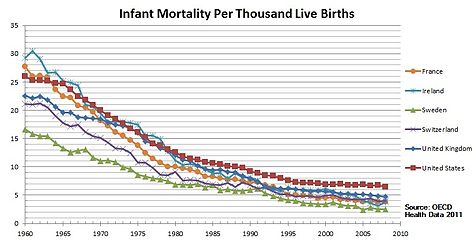
There has been a lot of speculation, lately, about vaccines possibly being harmful and, in particular, causing autism. You know I work on HIV vaccine design, so there's no need to say where I stand on the need of vaccinations. No link has been found between the incidence of autism and vaccination. Of course, medicine is not an exact science. Outliers will always exist. The U.S. seem to be a special case, as the vaccination schedule in this country requires a high number of vaccine doses, yet the infant mortality rate is one of the highest among North America and European countries. However, take a close look at this graph:


The countries with low mortality rate shown in this graph have a strict vaccination schedule, just like the U.S. On the other hand, what distinguishes them from the US is affordable health care. Countries with a high infant mortality rate are countries where poor people do not have access to vaccines and good health care. For the 3-million AIDS orphans living in sub-Saharan Africa a vaccine against HIV is the only hope they have to live into adulthood. It is quite easy for those of us who have a healthy life style and have access to food, medicines, and doctors on a daily basis, to say "no, thank you" to vaccines. But please, when you make your own decision about vaccines, do remember the millions of people for whom this is not a choice. And also remember: some children who are immunodefecient really cannot be vaccinated. They cannot contract any kind of disease, either, because their immune system is not working. However, if the majority of the people continue to get vaccinated, people who really cannot be vaccinated are still protected:

found on Facebook

Back to autism. As you saw from my last post, ASD, or autism spectrum disorders, is indeed a puzzling disease and pinning down its etiology has been challenging. The genetics involve numerous genes and diverse pathways, implying that different mechanisms could potentially lead to ASD, particularly during fetal development. One thing that I recently discovered is a number of correlations found between infections in the mother during gestation and autism:
"Recent studies have highlighted a connection between infection during pregnancy and the increased risk of autism in the offspring. Parallel studies of cerebral spinal fluid, blood and postmortem brains reveal an ongoing, hyper-responsive inflammatory-like state in many young as well as adult autism subjects. There are also indications of gastrointestinal problems in at least a subset of autistic children [1]."
In his review [1], Patterson makes a good summary of the relevant studies: for example, a permanent, inflammatory-like state has been found in postmortem examination of ASD affected brains. This was found at all ages, indicating that the state was established early in the development and maintained throughout the life-span of the ASD affected individual. These abnormalities expand to the central nervous system and the peripheral immune system affecting also the gastrointestinal tract:
"These findings include immune cell infiltrates present in the colon, ileum and duodenum, as well as increased T cell activation in the intestinal mucosa. These inflammatory changes are associated with autoimmune responses that could contribute to the observations of decreased mucosal integrity, or 'leaky gut' [1]."
"Abnormal activation of the immune system may also be involved in the etiology of autism. [. . .] Family members of autistic children, particularly the mothers, show a higher incidence of allergy or autoimmune diseases. Consistent with immune involvement are findings that maternal infection is a risk factor for autism [2]."
In conclusion, there is a correlation between immune abnormalities and ASD, and the immune abnormalities propagate to the brain and the gastrointestinal tract. However, it is unclear if these abnormalities cause the behavioral symptoms of ASD or if they are a secondary effect. The health and well-being of our immune system has such deep, profound effects on the central nervous system. The two interact very closely together: stress and the general emotional status, for example, can affect immunity; vice versa, the immune system can influence behavior. Both our brain and our immune system constantly learn and readapt to the surrounding environment (for example, our immune system learns to recognize new pathogens throughout our lifetime), which makes them prone to life-long epigenetic changes induced by environmental factors such as stress and disease. It's not a coincidence that:
"Immune dysregulation has also been implicated in the etiology of a variety of neurodegenerative, psychiatric, and neurodevelopmental disorders, including Parkinson, Huntington, and Alzheimer diseases, multiple sclerosis, major depression, schizophrenia, and addiction [2]."
Hsiao et al. [2] addressed the open question of whether the immunological abnormalities cause ASD-like behaviors in a mouse model. They induced ASD in mouse offspring through "maternal immune activation" (MIA): the immune system of pregnant mice was altered and then the offsprings of the altered mice that were behaviorally abnormal was compared to the offsprings of the controls. The behaviorally abnormal MIA offsprings exhibited core behavioral symptoms of autism, including increased repetitive behaviors, decreased social interactions, and increased anxiety. Hsiao et al. found several abnormalities in the immune system of these MIA offsprings: levels of regulatory T-cells were decreased and CD4+ T-cells were hyper-responsive. These abnormalities could not be transferred to healthy mice through a bone marrow from the MIA mice. However, when irradiated and transplanted with immunologically normal bone marrow, many of the behavioral abnormalities stopped. This would suggest that the immunological dysregulation causes the ASD-like behaviors.
"It is striking that in a mouse model of an autism environmental risk factor that exhibits the cardinal behavioral and neuropathological symptoms of autism, there is also permanent peripheral immune dysregulation. This finding provides the opportunity to explore molecular mechanisms underlying the relationship between brain dysfunction and altered immunity in the manifestation of abnormal behavior. Furthermore, this finding provides a platform for investigating how prenatal challenges can program long-term postnatal immunity, health, and disease. Maternal insult-mediated epigenetic modification in HSC and progenitor cells is one possible mechanism for how effects may be established by transient environmental changes yet persist permanently into adulthood. However, the BM transplant results suggest that the peripheral environment of the MIA offspring is also critical for maintaining a permanently modified immune state [2]."
We will never be able to prove or disprove a direct causal relation between vaccines and autism: if a child develops ASD after vaccination, unfortunately, we cannot rewind time and see if the same child, without the vaccine, would've never developed ASD in his/her lifetime. ASD typically develops in infancy, which is when the bulk of vaccines are administered. The risk of ASD is much higher (see last week's post) if there's already a family member with ASD, siblings in particular. And given the deep, complex interactions and reciprocal influence between the nervous system and the immune system it is quite possible that a sudden change in the immune system could cause some level of disruption in the nervous system. However, if the immune system is primed to such risk, a virus or any other pathogen, which cause changes in the immune system just like a vaccine does, could also cause similar disruptions. On the other hand, vaccines can potentially prevent infections that, according to these studies, do increase the risk of ASD in the baby during the first trimester of gestation.

So, as always: Read the literature, talk to your doctor, possibly to more than one, consider your family's medical history, and, whatever decision you make, make sure it is an informed decision.

[1] Patterson, PH (2011). Maternal infection and immune involvement in autism Trends in Molecular Medicine DOI: 10.1016/j.molmed.2011.03.001

[2] Hsiao EY, McBride SW, Chow J, Mazmanian SK, & Patterson PH (2012). Modeling an autism risk factor in mice leads to permanent immune dysregulation. Proceedings of the National Academy of Sciences of the United States of America, 109 (31), 12776-81 PMID: 22802640

ResearchBlogging.org

Sunday, November 3, 2013

A new viral vector raises hopes for an HIV vaccine


Because I work on HIV vaccine research, I often talk about vaccines and HIV vaccine design in particular. So far, there have been several phase I HIV vaccine trials, but very few have made it into phase III. One such case was the STEP trial, which was abruptly halted in 2007 after preliminary results showed that not only the vaccine was not protecting people from getting the virus, but the rate of HIV infections was actually higher in the vaccinated subjects compared to the subjects that received a placebo. Even more alarming was that this increase in acquisition risk lasted years after vaccination.

What went wrong in the STEP trial?

Vaccines are made of a "wimpy" version of the virus: you have to use enough genetic material from the virus in order to induce antibody production, but not enough to start an infection. We call the modified virus used in a vaccine "immunogen." The immunogen is only one part of the vaccine "recipe", the other part is what we call a vector, a structure that carries the immunogen and presents it to the immune system. Viruses make excellent vectors because they are like little "boxes" that are programmed to enter cells. And of all possible viral vectors, the most often used are adenoviruses because they are very common in the human population (they cause the common cold) and are therefore considered to be safe to "hijack" into carrying vaccine immunogens.

The STEP HIV vaccine was made of an adenovirus vector (recombinant adenovirus serotype 5 or rAd5) expressing the HIV proteins gag, net, and pol. When researchers looked back at what could've possibly gone wrong they found that the rates of infections were significantly higher in subjects that had been previously infected with Ad5 and had preexisting immunity against Ad5.

The HIV community feels so baffled by the failure of the STEP vaccine trial that at a recent conference I attended, the director of the Fred Hutchinson Cancer Research Center said quite vehemently that we should all move away from vector vaccines and do DNA vaccines instead. Since DNA is naturally absorbed by cells, DNA vaccines bypass the need of a vector.

In truth there's still strong hopes for vector vaccines. The natural question to ask in light of what happened with the STEP trial is: can we use a vector that instead of worsening the immune response actually makes it better?

It turns out that there is, and it's called Cytomegalovirus, or CMV. Like adenoviruses, CMV's are also very common in the human population and typically asymptomatic unless there are other underlying conditions.

If you remember roughly how the immune system works, we have two kinds of "sentinels" looking out for invaders: B-cells, which produce antibodies, and T-cells. While antibodies bind to viral particles, thus preventing the virus to enter and infect cells, T-cells recognize infected cells and destroy them. This recognition mechanism is based on the fact that infected cells express fragments of viral proteins (epitopes) on their surface. The T-cell recognizes those proteins as foreign and as a flag of infection and thus kill the cell before it starts replicating the virus.

Eliciting antibodies able to clear the HIV virus through a vaccine has proven very challenging (I discuss why in this post). But what about T-cell vaccines? In [2] Hensen et al. showed that a CMV vector SIV vaccine was able to elicit over three times greater breadth T-cell response in rhesus monkeys and about 50% of the vaccinated animals, once challenged with SIV (the simian version of HIV) were able to clear the infection without getting sick.

The vaccine was made of a recombinant rhesus monkey cytomegalovirus (strain 68-1 RhCMV) engineered to express simian immunodeficiency virus (SIV) genes.
"The key finding of Hansen et al. is that strain 68-1 RhCMV elicited CD8+ T cell responses that target SIV epitopes that were completely different from those generated by SIV infection itself, by other virus-based vectors, or by wild-type RhCMV expressing SIV genes [1]."
Typically during an HIV infection, the immune system starts producing T-cells that attack a limited number of epitopes, in other words a limited number of viral protein fragments that infected cells express on their surface. So, the key finding in this study was that using a CMV vector increased the number and variety of epitopes that the T-cells were able to recognize.
"We conclude that RhCMV has an intrinsic ability to elicit CD8+ T cell responses to unconventional epitopes, distinct in quality and quantity from all infectious agents studied to date. [2]."
As you know, HIV's winning strategy to evade the immune system is its ability to "hide" by constantly changing its genetic structure. This is favored by the fact that under normal circumstances T-cells recognize only a limited number of epitopes. In this light you can see why increasing the magnitude and breadth of the T-cell responses is effective in defeating the virus: once primed with the CMV vector, T-cells were not only able to recognize many more epitopes, but different "versions" of such epitopes, meaning that even when the virus came up with a mutation at a certain epitope, the T-cells were still able to recognize it and kill the infected cell.

These are remarkable results and I can't wait to follow this story as it moves to its next step -- human clinical trials.

[1] Nilu Goonetilleke, Andrew J. McMichael (2013). Antigen Processing Takes a New Direction Science DOI: 10.1126/science.1239649

[2] Scott G. Hansen, Jonah B. Sacha, Colette M. Hughes, Julia C. Ford, Benjamin J. Burwitz, Isabel Scholz, Roxanne M. Gilbride, Matthew S. Lewis, Awbrey N. Gilliam, Abigail B. Ventura, Daniel Malouli, Guangwu Xu, Rebecca Richards, Nathan Whizin, Jason S. Reed (2013). Cytomegalovirus Vectors Violate CD8+ T Cell Epitope Recognition Paradigms Science DOI: 10.1126/science.1237874

ResearchBlogging.org

Saturday, June 8, 2013

The virus-antibody arms race


One of the new concepts I learned when I started working on HIV was the most recent common ancestor, or MRCA. When you look at the genetic make-up of a population, you will find a certain amount of variety but also a much greater amount of overlap, i.e. stretches of DNA that are identical throughout the population. Using phylogenetics, one can look at these patterns of shared vs. mutated stretches, and reconstruct the genetic ancestor of the population. For example, you've probably heard of Mitochondrial Eve: since we all inherit our mitochndrial DNA from our mothers, scientists have been able to look at the mitochondrial DNA across all populations and determine the one ancestor (our common mother, so to speak) from which they all originated. Pretty cool, right?

My line of work, for the past 6-7 years has been estimating most common recent ancestors, or MRCAs, of HIV-1 populations. A few years ago we found that in sexually transmitted infections only a handful of viruses are able to come across the genital mucosa and start the infection. Therefore, if you draw a blood sample early enough (a few weeks) after the start of the infection, from that sample we can infer the MRCA of the viral population in the patient. This is particularly relevant because in the case of a viral infection, the MRCA is likely to be the virus that initiated the infection. As the infection progresses, the viral population changes, but it is the ones that are able to break the mucosal barrier (i.e. the MRCAs) that a vaccine needs to target.

Once inside the host, viral evolution is (for the most part) driven by the host's immune system as it tries to counter-attack the infection. At the same time, as the virus changes its genetic make-up to escape the immune pressure, the immune system itself changes and tries to come up with new ways to neutralize the enemy. It's an arms race that in HIV infections typically sees the immune system always one step behind: the first antibodies found in an HIV-1 infected person react with the first, unmutated virus that initiated the infection (the MRCA). As the infection progresses and the virus evolves, new antibodies are made that are able to react to the following viral generations, but typically there's always a subpolulation of viruses that's one step ahead of the antibodies and can still escape. (I hope this part is clear, I've been struggling quite a bit to find the right wording for this paragraph, so if it's not clear feel free to ask questions in the comments.)

In order to design an efficient vaccine, we need to find a way to elicit broad neutralizing antibodies, where by "broad" we mean antibodies that react not only to the present or past viral generations in one host, but to a wide variety of viruses across different hosts and populations. Such antibodies are found in a minority of HIV-infected patients and, typically, by the time they arise, the infection is so spread that they cannot clear the virus.

Ideally, a vaccine should boost a "short-cut" in the evolutionary path that leads to the production of broadly neutralizing antibodies much faster than our bodies are currently capable of. Unfortunately, all vaccine trials attempted so far have not been able to elicit broad neutralizing antibodies. Why?

Antibodies are made by B-cells, white blood cells produced in the bone marrow. In order to produce antibodies, B cells need to be activated, which happens when they find an antigen specific to their receptor. Once activated, B cells not only start producing antibodies, but they also either become memory cells (so that if the antigen is encountered again, the immune system will know which antibodies to produce in order to clear it) or they undergo further differentiation. This process of undergoing more differentiations ensures that the "match" between receptor and antigen becomes tighter and tighter. It takes many cycles of differentiations to produce HIV-1 broadly neutralizing antibodies, and, currently, the process takes so long that most patients don't produce them ever, and the ones that do, don't get them in time to clear the infection.

One reason why we believe it takes many differentiations to make HIV broadly neutralizing antibodies is that they share many similarities to self-reacting antibodies, antibodies that are normally destroyed by the body because they carry a high risk to originate auto-immune disorders (when the immune system attacks its own self instead of antigens). So, instead of eliciting the actual antibodies, could a vaccine elicit its ancestor? Remember how I said that the viral population constantly evolves and, hand in hand, so do the antibodies? Since we can estimate the viral ancestors, can we do the same for the antibodies? Can we reconstruct the differentiation pathway that leads to broadly neutralizing antibodies?

In [1], Liao and colleagues have reconstructed the lineage of the infecting virus in one African HIV-infected patient (CH505), as well as the lineage of an antibody, found in the same patient, able to neutralize 55% of ~200 HIV-1 isolates. the researchers effectively reconstructed the coevolution of virus and antibody within the patient. The patient was followed from week 6 after the infection up until 236 weeks after the infection, and during this period no antiretroviral therapy was administered. This is important because it means that the viral evolution was driven solely by the immune pressure.

Liao et al. found that the first unmutated ancestor in the B-cell lineage appears at week 14 after the infection, and it keeps mutating in ways that are reflected in the evolution of the virus. Once they retraced all the intermediate steps that led to the production of the broadly neutralizing antibody, the researchers tested all of the intermediate antibodies for reactivity against the virus, from the infecting strain to its later generations. They found that breadth and strength of reactivity increased as the antibody lineage evolved. In light of what I tried to explain above, this is a fantastic step forward in understanding how the virus evolves under the immune pressure, as it can help design a vaccine that elicits antibodies that are one step ahead (instead of behind) in the virus-host arms race.
"Thus, a candidate vaccine concept could be to use the CH505 transmitted/founder Env or Env subunits (to avoid dominant Env non-neutralizing epitopes) to initially activate an appropriate naive B-cell response, followed by boosting with subsequently evolved CH505 Env variants either given in combination, to mimic the high diversity observed in vivo during affinity maturation, or in series, using vaccine immunogens specifically selected to trigger the appropriate maturation pathway by high-affinity binding to the unmutated common ancestor and antibody intermediates. [. . .] The finding that the transmitted/founder Env can be the stimulator of a potent BnAb and bind optimally to that broadly neutralizing antibody unmutated common ancestor is a crucial insight for vaccine design, and could allow the induction of broadly neutralizing antibodies by targeting unmutated common ancestors and intermediate ancestors of broadly neutralizing antibody clonal lineage trees."
Of course, there's the usual caveats: will this kind of pathway be reproducible in other patients? How much of it is randomness and how much is it not only retraceable but reproducible is something we will only understand by getting more data from more patients. But it's a start, and a very promising one.

[1] Liao, H., Lynch, R., Zhou, T., Gao, F., Alam, S., Boyd, S., Fire, A., Roskin, K., Schramm, C., Zhang, Z., Zhu, J., Shapiro, L., Becker, J., Benjamin, B., Blakesley, R., Bouffard, G., Brooks, S., Coleman, H., Dekhtyar, M., Gregory, M., Guan, X., Gupta, J., Han, J., Hargrove, A., Ho, S., Johnson, T., Legaspi, R., Lovett, S., Maduro, Q., Masiello, C., Maskeri, B., McDowell, J., Montemayor, C., Mullikin, J., Park, M., Riebow, N., Schandler, K., Schmidt, B., Sison, C., Stantripop, M., Thomas, J., Thomas, P., Vemulapalli, M., Young, A., Mullikin, J., Gnanakaran, S., Hraber, P., Wiehe, K., Kelsoe, G., Yang, G., Xia, S., Montefiori, D., Parks, R., Lloyd, K., Scearce, R., Soderberg, K., Cohen, M., Kamanga, G., Louder, M., Tran, L., Chen, Y., Cai, F., Chen, S., Moquin, S., Du, X., Joyce, M., Srivatsan, S., Zhang, B., Zheng, A., Shaw, G., Hahn, B., Kepler, T., Korber, B., Kwong, P., Mascola, J., & Haynes, B. (2013). Co-evolution of a broadly neutralizing HIV-1 antibody and founder virus Nature, 496 (7446), 469-476 DOI: 10.1038/nature12053

ResearchBlogging.org

Monday, July 2, 2012

How commensal bacteria modulate immune responses


As you all probably know by now, I grew up in Europe. One of the first things I noticed when dealing with the health system here in the U.S. is -- no, not insurance. Antibiotics! Yes, I'm old school and believe that antibiotics are over-prescribed in this country. You may find it convenient to carry antibiotic creams in your hiking bag and use it over the tiniest scrapes, or that your house cleaner kills 99.99% of germs, but in the end we may pay a price for that. The paper I'm discussing today used antibiotics to manipulate the commensal bacteria population in mice and observed "impaired host protective immunity after either systemic (lymphocytic choriomeningitis virus) or mucosal (influenza virus) infection [1]."

Commensal microbiota consist of tiny organisms such as bacteria, protozoa, fungi, and viruses that live in our skin, upper respiratory and gastrointestinal tracts. The communities in the intestine in particular are extremely beneficial as they guard from competing pathogens and aid our metabolism. In [1] Abt et al. list a number of studies that, all together, seem to indicate that manipulating the commensal bacteria communities results in increased susceptibility to infections and inflammation in certain animal models.
"Consistent with proinflammatory properties, signals from commensal bacteria can act as an adjuvant, augmenting immune responses after intestinal parasitic or bacterial infections. Conversely, commensal bacteria can increase viral infectivity in the gastrointestinal microenvironment. Thus, commensal-derived signals are capable of limiting or exacerbating infection in the intestinal microenvironment."
Clearly, there's a strict interaction between commensal bacteria and the immune system, as the former seems to calibrate the responses of the latter, though it's unclear what mechanisms regulate it. Is it an on-going modulation or is it triggered only in case of an infection? And how does it tune responsiveness to viral pathogens?
"Whether depletion of commensal bacteria selectively regulates inflammasome-dependent pathways or represents broader immunological crosstalk between commensal bacteria and antiviral pathways remains to be determined."
For the experiment, a group of mice were administrated antibiotics orally. They were then either inoculated intravenously with lymphocytic choriomeningitis virus or intranasally with recombinant influenza viruses. The researchers noticed impaired responses in the antibiotic treated mice and a reduced capacity to control viral replication. Once the responsiveness to interferons was restored (interferons are proteins released by cells in order to flag the presence of pathogens), protective antiviral immunity was re-established, indicating that the commensal bacteria had a role in initiating antiviral responses. In particular, they seem to calibrate the activation threshold of innate immune responses.
"Taken together, these data indicate that commensal bacteria provide tonic signals that calibrate the activation threshold and sensitivity of the innate antiviral immune system."
They also point at the use of probiotic treatments as a new strategy against viral infections.

Note that the paper addresses the question of how commensal bacteria modulate host immunity, which is a really interesting find. The warning on the use of antibiotics or any other agent that can harm our exposure to commensal bacteria is an extra thought that I tossed in. Antibiotics have significantly lengthened our life span. But I also believe in the old school "use with moderation" motto. Benefits are easy to spot, but the damage often takes way longer to build.

[1] Michael C. Abt, Lisa C. Osborne, Laurel A. Monticelli, Travis A. Doering, Theresa Alenghat, Gregory F. Sonnenberg, Michael A. Paley, Marcelo Antenus, Katie L. Williams, Jan Erikson, E. John Wherrysend, David Artissend (2012). Commensal Bacteria Calibrate the Activation Threshold of Innate Antiviral Immunity Immunity

ResearchBlogging.org


Monday, June 4, 2012

How the immune system recognizes danger from non-danger


There are three types of possible relationships between two different organisms: parasitism is when one benefits from the other, but the other is harmed; mutualism is when both benefit from the relationship; and, finally, commensalism is when one organism benefits and the other is neutral (neither harmed or benefitting). There are roughly 10^12 bacteria in our body. These are "commensal" microbes, because they live in our body without harming us. However, our immune system is trained to recognize "self" from "non-self", so a natural question to ask is: how come the immune system doesn't attack the skin and gut microbiota? In the guts especially, how does the immune system know how to distinguish the numerous pathogens we normally ingest through foods from the beneficial microbes that are fundamental in aiding digestion and nutritional assimilation?

It turns out that what the immune system does is far more complex than recognizing self from non-self. It's become a motto of mine, isn't it, how things are always more complicated than we think they are!
"Bacterial associations with their hosts can be beneficial, damaging, or benign, depending on the context and the identity of players. A host determines the balance of non-self elicitors and danger signals to decide when to activate the immune system against pathogenic infection while also maintaining healthy relationships with commensals [1]."
These interactions are mediated through a class of molecules, called "microbe-associated molecular patterns," or MAMPs, that are present in bacteria and are recognized by the host's immune system. Immune models studied in both insects and vertebrates suggest that both MAMP and danger signals are required to trigger a strong immune response, as shown in the figure below [Credit: Science Magazine]:


While both true pathogens and symbiotic microbes present MAMPs molecules, true pathogens also trigger "danger" signals by damaging host cells or secreting molecules that interfere with host biology.
"Studies in insect model systems suggest that the joint presence of both MAMPs and danger signals may be required to launch a true defense response and that insects have mechanisms for disregarding MAMPs presented in the absence of pathological damage to the host."
Interestingly, these findings suggest that rather than being mutually exclusive, MAMPs and danger signals are read together in a combined signal that helps the immune system decide not just whether or not to mount a response, but also the strength of the response itself. This way, the immune system is able to maintain a homeostatic equilibrium in maintaining a healthy level of symbiotic microbes, and also in dosing the strength of immune response.
"Rather than striving to completely eliminate infections, the immune system might manage a persistent infection at a low and nondamaging level. [...] MAMPs indicate the presence of microbes, but if the microbes are doing little or no damage to the host, the cost of immune activity may exceed the benefit of clearing the infection."

Lazzaro, B., & Rolff, J. (2011). Danger, Microbes, and Homeostasis Science, 332 (6025), 43-44 DOI: 10.1126/science.1200486

This post was chosen as an Editor's Selection for ResearchBlogging.org


Monday, May 28, 2012

Bacteria, biodiversity, and allergies.


You may not have heard of gammaproteobacteria, but I'm sure the names salmonella, escherichia coli, pests and cholera do ring a bell. They are all caused by bacteria that belong to the gammaproteobacteria family. Hanski et al. took small skin samples from 118 Finnish adolescents and found a variety of bacteria, the most represented being Actinobacteria, Bacilli, Clostridia, Betaproteobacteria, Alphaproteobacteria, and Gammaproteobacteria.

"Ew," you're probably thinking. Well. . . think again.

On an average human there are an estimated 10^12 bacteria that make their home in the outer layers of our epidermis and in our hair follicles. And yes, you've guessed it: these guys are very much needed. In their study [1], Hanski et al. correlated the lack of biodiversity in skin microbiota with allergic disposition. The study subjects were from different size towns and villages, offering a diverse range of exposure to bacteria. To analyze the skin microbiota, they took DNA samples from the epidermis on the inside of the arm. To test allergy predisposition they measured IgE antibody levels after exposure to a mixture of common inhalant allergens, and used a cutoff point to define atopic individuals (the ones that showed a predisposition toward allergic hypersensitivity). A side note: IgE antibodies are responsible for the over-stimulation of mast cells and basophils that trigger allergic reactions. Atopic individuals can have up to ten times the normal IgE levels, though that doesn't exclude individuals with normal IgE levels from having an allergic reaction.

In order to test their hypothesis, Hanski et al. did a principal component analysis in which they compared the number of bacteria genera found in the skin samples with land use in the immediate surrounding (whether agricultural, , forest, built area, etc. within 3 km of the subject's home).
"The PC1_env of the land use types was significantly (P = 0.0033) related to PC2_bac, indicating that the generic diversity of proteo-bacteria was higher on the skin of individuals living in an environment with more forest and agricultural land compared with those living in built areas and near water bodies."
PC1 and PC2 in the above are the first and second principal components. Next, the researchers repeated a similar principal component analysis to attest the correlation between diversity in skin microbiota and atopy. One thing to ask when carrying this kind of analyses is whether the atopic subjects in the study are evenly distributed across agricultural and urban areas. If the distribution is skewed (for example, if most atopic subjects live in the city and only a few in agricultural areas), this could clearly skew the results. The researchers checked this and found no correlation between atopy and spatial distribution. they also checked for other possible confounders (other factors that might skew the analysis) such as passive smoking and pets, but none were significantly correlated with atopy.
"Atopic individuals had highly significantly (P = 0.0003) lower generic diversity of gammaproteobacteria on the skin compared with healthy individuals."
Furthermore, the researchers found "one significant correlation, between the relative abundance of gammaproteobacteria and IL-10 expression in healthy individuals (P = 0.015)." IL-10 are anti-inflammatory cytokines (protein molecules).

Overall, an interesting paper, as it reinforces the hypothesis that by limiting the exposures to our immune system we are somehow altering our ability to build appropriate responses to the environment. We are indeed seeing a decline in biodiversity of the environment we live in and at the same time witnessing an increasing prevalence of allergies. I do wonder about the number of subjects (118) versus the high number of tests the researchers conducted. And I also wonder whether the researchers tried a logistic regression fit as an alternative to the principal component analysis.

Hanski, I., von Hertzen, L., Fyhrquist, N., Koskinen, K., Torppa, K., Laatikainen, T., Karisola, P., Auvinen, P., Paulin, L., Makela, M., Vartiainen, E., Kosunen, T., Alenius, H., & Haahtela, T. (2012). Environmental biodiversity, human microbiota, and allergy are interrelated Proceedings of the National Academy of Sciences DOI: 10.1073/pnas.1205624109

This post was chosen as an Editor's Selection for ResearchBlogging.org