Debunking myths on genetics and DNA
Musings on writing, genetics and photography. Sign up for my newsletter to get notified of promotions, ARCs, and free stories.
Friday, February 7, 2014
Book deals, crime fiction, and French castles: a chat with Mark Pryor, author of the Hugo Marston mysteries
My guest today is not new to the blog: district attorney and author of the Hugo Marston mysteries, Mark Pryor has visited CHIMERAS before to discuss fingerprint evidence and DNA evidence in court.
Last time we talked, Mark had just signed a three-book deal with Seventh Street Books for his mystery series. That was two and a half years later, so I thought I'd check back with Mark to see how things are going with him and his books. Well, guess what? Mark has happily signed his second three-book deal with his publisher for three more Hugo Marston novels. Oprah.com has said of Mark's books: "Once you've had a bit, you can't wait for more"; and the Portland Book Review defined the series "A leaf out of a classic Agatha Christie novel, mixed with the modern world of crime."
Mark has also published a true crime book, As she lay sleeping, about a cold case he prosecuted. Mark appeared in the CBS show 48 Hours to discuss the case, how cool is that? Yes, I do love to brag about my friends. :-)
EEG: Congratulations, Mark: so many achievements in such a short time. How does it feel? Are you still floating twelve inches above ground, like last time we talked?
MP: It feels great, quite honestly, I still pinch myself. I have people asking me to give talks or meet with their books clubs, and when I agree they act like I'm doing them a favor. Little do they know! When people ask me what I do for a living, I feel good about saying, "I'm an author." Yet it still sounds weird to me...!
I don't know if it's changed me greatly, though. I feel more confident in my abilities as a writer, I suppose. But the thing about being a writer is that you're only as good as your last book, and the next one takes you to the precipice all over again. You peek over and wonder whether you've gone too high, and whether anyone will care if you fall. Scary.
The truth is (and don't tell anyone!) I've come further than I thought I would. All I wanted was a publisher for THE BOOKSELLER, to get that story out there. And now... an on-going series. So I'm still feeling fortunate and, hopefully, it's not changed me. I'll add, by the way, that as a result of the books being published I've met a lot of big-name authors and without exception, they all seem very down to earth, very generous with their time and advice. So maybe that says something about authors more generally, I don't know.
EEG: One thing I really loved from The Bookseller are the descriptions of Paris. What are your thoughts on writing about a place you don't live in? I know you travel to Paris often, but I'm just curious if when you go, you take notes/pictures and stuff like that. Did you find it challenging at first and then became easier as you went, or was it the opposite?
MP: I should mention I've been to Paris a dozen times by now. Thereabouts, anyway. I think there's a difference in the way I look at a place nowadays. Initially, I'd wander aimlessly and gaze at the monuments and famous icons of Paris. Now, I wander aimlessly and make a point of looking for the small things. For me, it's the little things that let you create atmosphere. For example, a year ago my wife and I were in Paris and we stumbled across this wonderful little street, almost a movie-set street with its restaurants and cafes, its cheese and flower shops. And, while we were enjoying it, a pretty girl on a bicycle came riding towards us, a smile on her face and pulling a wheeled, carry-on suitcase behind her. It was awesome, and so I plucked that out of reality and put it in the new book.
And that's my technique, if you can call it that. It's taking the small things and using them as color, rather than taking pains to describe the Eiffel Tower or other landmarks. Sure, they come into the stories because they're there, but the real flavor of a place is in the small things.
I'm curious if I can do a decent job with Barcelona, where book five will be set. I took the family there for ten days, and did the same thing: wandered around looking. I did have a notebook, yes, I have a different one for each novel. A couple of times we'd be strolling along and then I'd hear "Daddy!" from a hundred yards ahead of me. I'd stopped to write down a thought or idea, sparked by something I'd seen there.
I think this may be another aspect of why I'm lucky: being a writer, I'm forced to look hard at new places, or familiar ones, to try and see them in a new way, so that I can describe them with a modicum of originality, but also vividly.
EEG: That's so interesting. BTW, should you ever need a photographer to visually document these locations, I, er, happen to know one who would happily volunteer... Ahem. Anyways... when you signed your 3-book deal with Seventh Street you still had to write the third book in the series. Does it feel different to write a book on a deadline knowing that it's already slated to come out to the public on a certain day?
MP: Yes, it was very different. I tried to approach it the same way I had the first two, by just making up the story as I went along, but I plotted myself into a nasty corner. That's fine, no worries about starting over again except... that deadline! So THE BLOOD PROMISE, which was the third novel, became the first one I ever out-lined. I devised a system for plotting, actually, that I plan to use with future books so maybe all that stressing did me a favor.
Interestingly, I signed a second three-book deal with my publisher and the first of those books was already written. I know, it's weird, but it'll be a prequel and I wrote it about five years ago. It's set in London, but neither I nor my editor wanted to take Hugo back in time for the first three books. That was another one I plotted as I went along, so it'll be interesting to see if anyone notices a difference.
EEG: Can't wait to read it, Mark! What's next in your writing career? Are you working on more Hugo Marston novels or on something completely different?
MP: Yes, more Hugo. I have two more to write, which will bring the series to six. The London book (THE BUTTON MAN) will come out in September, and the next ones next year I expect. One will be set in Barcelona, and I haven't decided on the sixth. If they continue to attract readers, maybe we'll look at doing more, I certainly hope so.
I'm also working on non-Hugo stuff. Just this week I finished a novel set here in Austin, and I have another rattling around in my head that's asking to be let out. Both are crime fiction, I think I'm settled in the genre for good.
EEG: Who are your role models when it comes to writing?
MP: Oooh, that's tough. I don't know that I have any, to be honest. I mean, there are tons of writers whose books I admire but role model makes me think of the way someone lives their life. And I'm perfect, didn't you know that? No?
EEG: You told me "I'm not where I want to be just yet" -- where would you like to be as a writer?
MP: I'd like to be in a French chateau in the Loire Valley, behind the antique desk in my large study overlooking a manicured lawn and a winding river... seriously, that's where I'd like to be. :) For me, I suppose the ultimate goal would be to be able to write full-time and I can't do that now, not without my family making some significant sacrifices (that chateau in the Loire? Right now it'd be a shed on the outskirts of Marseille).
That said, I'm aware how far I've come and how lucky I am things have come together so quickly. It really goes back to your first question (nicely done!) in that my reality has changed, so have my ambitions, but I'm still feeling giddy about it all.
EEG: Haha, I'll settle for that shed outside of Marseille. Maybe in on of those Mediterranean pine groves right by the coast, how's that?
Thanks so much, Mark, for answering my questions and telling us about your writing process and your adventures in the world of publishing. Your success is very much deserved and I do wish you all the best with it. And if you do secure that castle on the Loire, please do come let us know. ;-)
You can find out more about Mark and his mystery books by visiting his blog, DA Confidential. Oh, and check out Mark's last book trailer, it's adorable !!
Labels:
writer friends
Sunday, February 2, 2014
Computer generated viruses
By "computer generated viruses" I don't mean bits of code that can harm your desktop. I mean actual viruses, objects that have the ability to infect and replicate, but were created in silico, by a computer algorithm. I know this is a concept that has the anti-vaxxers enraged, but in HIV it has become quite common to generate vaccine candidates through computer algorithms. Today I want to address two questions: why and how.
Candidate vaccines are made from virus isolates: you take a real virus, make it weaker, and inject it into the body so that it will elicit an immune response. Why hasn't this worked for HIV? One of the issues with HIV is that it is a highly variable virus. Think about the influenza virus: every year there's a new flu vaccine because the virus mutates into a new strain every year. HIV can reach that kind of diversity in one individual alone. So, you can't just take one strain of HIV and make a vaccine because it would only protect from one particular strain against millions of others.
These strains have evolved from one single common ancestor, one "patriarch" that jumped from monkeys to humans last century (see this post and the second part for a discussion of the papers that estimated when the HIV pandemic started). Since then, HIV has changed drastically and diversified in 4 major groups. Most HIV-infected people are infected with strains from group M, and within that group alone there are 9 distinct subtypes, plus "recombinants," strains that resulted from a "cross-over" of two or more subtypes.
The way we study the "history" of HIV is through phylogenetics. Imagine a room full of people, and imagine making groups based on similarity. Related people (brothers, sisters, parents) are going to form the closest subgroups. Zoom out one step and you are going to form larger groups based on physical characteristics: brunette dark-skin, brunette fair skinned, blonde fair-skinned, blonde dark skin. Next, you'll probably have ethnic groups. At the end of the process, you end up with a graphical depiction of the group of people: each person is a leaf, and the leaves closest together are on a branch (family) which comes from a larger branch, which in turn comes from a larger branch, until you get to the main big branches that are the ethnical groups and the trunk of the tree is the common mother we know lived in Africa many, many years ago.
We do the same with HIV. Each virus is a leaf. When we group the leaves into branches we see that the big tree that retraces the history of the main HIV group, group M, has 9 main branches (subtypes that are called "clades"). Even if you pick two viruses from the same clade, their envelopes (the proteins that form the outer shell of the virus) can differ up to 20% in amino acids, making it again impossible to use a single strain for a vaccine.
And yet all these strains are related. They all evolved from the same ancestor. So, wouldn't it be a good idea to try and use that ancestor as a vaccine candidate? The problem is that the ancestor is no longer found in present infections. In fact, we have no documentation of it because by the time we had the technology to genotype the virus, the population had already diversified. However, we can estimate the genome of the ancestor using the phylogenetic methods I described above. Every node in the tree represents a change in the genome. By walking "backwards in time" along the nodes of the tree, we can retrace the mutations that evolved from the ancestor. Distinct HIV subtypes can differ at as many as 35% sites. However, because of the way consensus viruses are constructed, they are on average closer to any given subtype and therefore they have the potential to elicit immune responses to more diverse viruses than just a one-clade vaccine.
A consensus virus is constructed using a computer algorithm that first creates the phylogenetic tree I described above, then estimates the genome of the root of the tree. Once the genome is estimated through the computer algorithm, viral proteins with that exact genome can be built in the lab. There are some issues associated with using an in silico virus in a vaccine. First of all, you need to prove that the viral proteins constructed in this manner are viable, meaning they retain their original functions. As it turns out, these "artificial" constructs replicate and infect like regular viruses.
One of such consensus viruses is called CON-S, and monkey studies have already shown very promising results when using it as an HIV candidate vaccine. In [2], some rhesus monkeys were vaccinated with CON-S and some with a single strain, B-clade vaccine. To assess how many and what kind of HIV strains the vaccinated monkeys were able to recognize, the researchers measured cellular responses against bits of HIV proteins taken from four major clades: A, B, C, and G. They found that the CON-S vaccine was able to elicit statistically significantly better (and more) response to clades A, C, and G, than the B-clade vaccine:
"We show that vaccine immunogens expressing the single centralized gene CON-S generated cellular immune responses with significantly increased breadth compared with immunogens expressing a wild-type virus gene. In fact, CON-S immunogens elicited cellular immune responses to 3- to 4-fold more discrete epitopes of the envelope proteins from clades A, C, and G than did clade B immunogens. These findings suggest that immunization with centralized genes is a promising vaccine strategy for developing a global vaccine for HIV-1 as well as vaccines for other genetically diverse viruses [2]".This indicates that CON-S, being genetically closer to all clades is potentially able to protect better from viruses across clades, whether using a single clade strain would miss protecting from strains from other clades.
The other type of in silico viruses tested in HIV vaccine design are mosaic vaccines, which I will discuss next week.
[1] Gaschen B, Taylor J, Yusim K, Foley B, Gao F, Lang D, Novitsky V, Haynes B, Hahn BH, Bhattacharya T, & Korber B (2002). Diversity considerations in HIV-1 vaccine selection. Science (New York, N.Y.), 296 (5577), 2354-60 PMID: 12089434
[2] Santra S, Korber BT, Muldoon M, Barouch DH, Nabel GJ, Gao F, Hahn BH, Haynes BF, & Letvin NL (2008). A centralized gene-based HIV-1 vaccine elicits broad cross-clade cellular immune responses in rhesus monkeys. Proceedings of the National Academy of Sciences of the United States of America, 105 (30), 10489-94 PMID: 18650391
Labels:
DNA,
phylogenetics,
Research Blogging,
vaccine,
virus
Friday, January 31, 2014
Scientific American blogger S.E. Gould talks about bacteria and the art of writing
I'm very excited about my guest today: a fellow scientist and science writer, S.E. Gould is one the first writers I started following back when I joined the scientific blogosphere. Her science blog, Lab Rat, is part of the Scientific American Network blogs and discusses molecular biology and the amazing world of bacteria. Even if you tend to be more of a virus person than a bacterium one (haha, geek joke!), you can't help but drop your jaw in awe when you learn that bacterial colonies form fractal patterns, and that there are some special bacteria, called magnetotactic bacteria, that "contain small nanoparticles of magnetic material which allow them to swim along magnetic field lines."
EEG: Thank you, S.E. for being here today! Tell us a bit about yourself, your scientific background, and your current job.
SEG: I'm S.E Gould, and I currently live in the UK with my husband and baby son. I did my degree in biochemistry, although with a strong microbiology slant, at Cambridge university. After graduating I worked in a lab for a bit, then in a library, before realising that I didn't want to do a PhD. Instead I got a job in science communications. I currently work for a research company, writing abstracts, slide-sets, presentations and posters.
EEG: When did you start blogging about science and what inspired you to do so?
SEG: I've always loved writing and at university I used to write constantly, scribbling down story ideas in the margins of lecture notes. I started the blog mainly as an exercise to try and channel my writing into something that would help me pass my degree. My biggest inspiration was definitely Ed Yong of Not Exactly Rocket Science. At university I'd sort of got caught in the mindset that science was incredibly complicated and required lots of lectures and degrees to understand. Ed's blog showed me that it could be explained in a way a lay audience could understand. With each of my posts I try to write so that someone with no science background can get a vague understanding of the main point of the post, and hopefully catch some of the enthusiasm and excitement I feel for the subject. I know I don't always succeed but hopefully I'm improving.
EEG: I'd say you do succeed, S.E., and in fact it's one of the reasons why I enjoy your blog so much. The other one is the amazing creatures you talk about: what motivated you to write about bacteria?
SEG: They were the part of science I was most interested in at university. I love them because they have to do everything that a multicellular organism has to do, except they only have one small cell to do it in. And I love the plasticity of their genome, the fact that they can chop and chance lots of DNA. I had a biochemical background and from the point of view of biochemical processes bacteria are much more fascinating and diverse than eukaryotes.
EEG: What do you love the most about science communication?
SEG: I love that there's so much great science out there to write about. I am unashamedly a science cheerleader; rather than critically analysing papers my blog is about finding interesting research and trying to share it with as many people as possible in a language they can all understand. I love finding the best ways to communicate information - at work I'm always trying to condense tables and paragraphs down into short sentences and diagrams. Although the blog usually contains a lot of writing I think the best way to communicate science is through diagrams, and it's always fun making slide-sets trying to get rid of as many words as possible while still keeping the message coming through.
EEG: That is certainly one of the best skills that science and science writing teach you. On the topic of science blogging, what do you think about using pseudonyms to avoid controversy? Do you think a pseudonym might affect the writer's credibility?
SEG: I completely support the use of pseudonyms. I started using a pseudonym for safety reasons, and even now I prefer to be known by my initials than by name on the internet. A writer using a pseudonym will have less credibility, at least initially, because they can't use their already existing credibility as a scientist. Instead they have to build it up via their blog. By producing well researched and interesting blog posts their credibility will increase, and I think scientists using pseudonyms have the potential to be just as credible and trustworthy as named ones. The only difference is that they have to put a lot more work into getting to and maintaining that state.
EEG: But wait, you write fiction, too: can you tell us a bit more about that? When did you start writing fiction? And where do you find inspiration?
SEG: I've written fiction since I was tiny. When I was younger it was mostly fantasy and science fiction stories, almost all of which I started and never finished! When I started university I got involved in some online fanfiction communities which was a great way to try out different styles of writing and get lots of feedback from a supportive group of people. Once I left university I was looking into getting something published and found the online publisher Less Than Three Press. Because they were an independent online publisher I didn't need an agent or a background of previous publications and everything was carried out by email. The first story I sent them, Chrysalis, required a lot of editing and was quite a steep learning curve for me in terms of understanding what a publisher would expect and how to work with an editor. I've published two more short stories with them since then, and written another for a Dreamspinner Press anthology.
For the foreseeable future I'll be sticking with online publishers and probably keep writing for the niche of LGBT fiction. It's a great genre to write for, and has a decent sized following of readers. I've had a few people ask me why I only write gay romance and the answer is, as a great man once said: because you keep asking me that question.
A full list of my published stories can be found on my fiction blog.
EEG: That is so cool! Congratulations on your published work! And thanks so much, S.E. for this insight into your writing, both fictional and non. I wish you all the best with your work and I look forward to learning more about the world of bacteria.
If you haven't already, don't forget to add The Lab Rat to your RSS feed, you won't regret it. Besides being fascinating little creatures, just like viruses, bacteria are a great source of inspiration for all sorts of science-fiction stories. ;-)
Labels:
bacteria,
writer friends
Thursday, January 30, 2014
My photography website just got a make-over!
Last December I participated in the monthly Self-Portrait Challenge over on G+, an event organized by the Art of Self-Portraiture Community, led by the amazing photographer Lotus Carroll. Aaaaaand... <drum roll, please> my entry (above) was awarded a one year pro-membership with SmugMug, a hosting site for photographers!
As a result, I have a brand new website, and it's soooo beautiful!
I'd appreciate your feedback on look, feel, etc. Also, as a motivation to try and test the shopping cart (hehe), I have a sale going on right now: spend $20 and get a 25% off discount, just use the coupon code "kickoff14" at check-out -- offer valid until next Wednesday.
So, what are you waiting? Go check it out and tell me what you think! :-)
Should you have problems of any kind while surfing, please do let me know -- the wonderful people over at SmugMug are all in stand-by to help us out.
Thanks so much!
Thursday, January 23, 2014
January Moonrise
I sure love full moons out here in New Mexico. :-)
This was after my first real estate shot. Can you imagine the view from that house?
Labels:
My photos
Monday, January 13, 2014
Mitochondria to the rescue
Yes, I confess I'm quite fascinated by mitochondria. Not only their well functioning seems to be correlated to lifespan, like I discussed last time, but it's also implicated in cancer.
Briefly, last post taught us that mitochondria provide energy to the cell by producing ATP through four different oxidative complexes. However, mitochondria's oxidative activity wanes with age. Researchers found one pathway in particular that is activated in low-fat diets and high-exercise regimens, which can reverse the decrease in oxidative activity.
In 1926, a German physician named Otto Warburg discovered that, contrary to healthy cells, which produce ATP through the mitochondria oxidative complexes, cancer cells produce most of their ATP through a process called glycolisis. Glycolisis can be thought of, in lay-man terms, as fermentation of sugar. Thanks to this discover, which was confirmed across many different lines of cancer cells, Warburg was awarded the Nobel Prize in 1931. Warburg hypothesized that the underlying cause of cancer was a dysfunction in the mitochondria that led to upregulation of glycolysis.
If glycolysis is a hallmark of cancer, can it be used to target cancer cells and destroy them, while leaving the healthy cells untouched? Furthermore, can we "cure" cancer cells by restoring the mitochondria oxidative complexes?
The answer to the second question appears to be no: while it is true that mitochondrial activity slows down in cancer cells, this is not always due to mitochondrial dysfunction, rather, to disruption in signaling pathways that regulate glucose uptake and production. As the word suggests, the oxidative complexes in the mitochondria produce ATP using oxygen, whereas glycolysis produces ATP without the use of oxygen. The upregulation of glycolysis could be an adaptation of tumor cells due to their fast proliferation. Healthy cells receive oxygen through blood vessels. However, tumor cells outgrow the production of new vessels and therefore, in order to survive, they have to adapt to the absence of oxygen. Normally the absence of oxygen would lead to cell death, which is regulated by the p53 protein. As it turns out, p53 is either mutated or downregulated in tumor cells.
So, what does the Cell paper on aging teach us about cancer?
Remember that when it comes to cells, there's never an on/off switch, but rather a cascade of signals, i.e. chemicals that activate one another sort of like in a domino effect--what we call a "pathway." To reconstruct a pathway you have to look at each domino piece and how they interact with one another. That's why things get a bit complicated.
The upregulation of glycoysis happens through a protein called hypoxia-inducible factor-1, or HIF-1alpha. HIF-1alpha is a transcription factor, in other words, a protein that binds to DNA and regulates the expression of certain genes. Gomes et al. [1] found that HIF-1alpha induces some kind of metabolic reprogramming, not just in cancer cells, but also in normal tissue as a consequence of aging. Previous studies have shown that a high-fat diet increases levels of HIF-1alpha in the liver.
In [1], Gomes et al. induced a decline of mitochondrial activity in mice by knocking out the SIRT1 gene, a gene that codes for a protein called Sirtuin 1. It turns out, without SIRT1, not only did the researchers see the decline in mitochondrially encoded oxidative complexes, but they also observed high levels of HIF-1alpha and high expression levels of the genes targeted by HIF-1alpha. Gomes et al. restored expression of SIRT1 using a molecule called NAD+, thus restoring mitochondrial activity and lowering again the levels of HIF-1alpha. It would be interesting to see if this molecule could be used in cancerous cells as well, and if downregulating glycolysis would eventually kill the cancer cell given that they have to grow in a low-oxygen environment.
[1] Gomes AP, Price NL, Ling AJ, Moslehi JJ, Montgomery MK, Rajman L, White JP, Teodoro JS, Wrann CD, Hubbard BP, Mercken EM, Palmeira CM, de Cabo R, Rolo AP, Turner N, Bell EL, & Sinclair DA (2013). Declining NAD(+) Induces a Pseudohypoxic State Disrupting Nuclear-Mitochondrial Communication during Aging. Cell, 155 (7), 1624-38 PMID: 24360282
Labels:
cancer,
DNA,
mitochondria,
molecular biology,
Research Blogging
Friday, January 3, 2014
The secret to a long life? Active mitochondria!
For quite a while now we've known that if we want to live a long, healthy life, we must exercise regularly and be good about what we eat. Recent studies have added another piece to the equation: maintain mitochondrial function.
Mitochondria are organelles found in every cell of our body. They hold a very important function: they provide energy to the cell. Most cellular processes take place using energy stored in a molecule called adenosine triphosphate, or ATP, and most of a cell's supply of ATP is produced in the mitochondria through a process called oxidative phosphorylation. Mitochondria are also the only place outside the nucleus where you can find DNA: human mitochondrial DNA (mtDNA) is circular, and it contains 37 genes. Contrary to nuclear DNA, mitochondrial DNA is not unique to every individual because it is inherited from the mother's side only and, therefore, does not undergo parental genetic recombination.
How do mitochondria fit in the longevity puzzle? Lanza et al. [1] found a progressive decline in mitochondrial DNA abundance in skeletal muscle cells with age. The progressive decline of mitochondrial activity in muscular tissue implies less ATP synthesis, and, therefore, less energy for the cell. In addition, mitochondria play a role in regulating programmed cell death, "a vital mechanism to regulate development, cell numbers, and prevent the accumulation perilous tumor cells." Therefore, it is possible that mitochondria influence the loss of muscular mass associated with aging through upregulation of apoptotic processes. In their review, Lanza and Nair [1] cite studies that have shown that mitochondrial activity is reduced in older adults, though it seems to be preserved across similar activity levels, implying that exercise can slow down and even prevent this progressive loss.
"Mitochondrial DNA copy number decreases with age, which could account for the reduction of mitochondrial gene transcripts and therefore, the proteins encoded by these genes [1]."Even though it's not clear whether the decline in mitochondrial function is a cause or a consequence of the senile phenotype, there have been some new studies suggesting that mitochondria play a major role in regulating cellular aging, and that restoring mitochondrial function can indeed slow down the aging process.
To understand why this is the case, let's go back to mitochondria's main function: they synthesize ATP through oxidative phosphorylation. Most proteins involved in this process are encoded in the nucleus, though 13 are encoded by genes in the mitochondrial DNA. This implies that in order for oxidative phosphorylation to take place and ATP be produced, the nucleus and the mitochondria have to work together and communicate closely. As we age and lose mitochondrial function, this close network weakens, causing loss of oxidative capacity.
Researchers from Harvard Medical School noticed that though there are 4 different oxidative phosphorylation complexes, the one encoded by exclusively nuclear genes does not decline with age, while the others do. Therefore, they hypothesized that the progressive decline of oxidative activity was due to a decline in mitochondrially encoded genes. This study, a joint project between Harvard Medical School, the National Institute on Aging, and the University of New South Wales, Sydney, Australia, was published recently in Cell [2]. In the paper, the authors describe a pathway that regulates mitochondria activity in skeletal muscle cells and show that, by knocking out the pathway in genetically modified mice, they could mimic aging by decreasing mitochondrially encoded oxidative phosphorylation complexes. On the other hand:
"Current dogma is that aging is irreversible. Our data show that 1 week of treatment with a compound that boosts NAD+ levels is sufficient to restore the mitochondrial homeostasis and key biochemical markers of muscle health in a 22-month-old mouse to levels similar to a 6-month-old mouse [2]."The NAD+ compound the Harvard researchers talk about in their paper is a coenzyme that restores communication between the nucleus and the mitochondria. When levels of mitochondrially encoded mRNA are restored, ensuring that the production of mitochondrial proteins participating in the oxidative phosphorylation complexes is no longer declining, the pathways associated with low-fat diets and high exercise regimens are once again activated.
"All of the main players in the nuclear NAD+-SIRT1-HIF-1a-OXPHOS [oxidative phosphorylation] pathway are present in lower eukaryotes, indicating that the pathway evolved early in life’s history. This pathway may have evolved to coordinate nuclear-mitochondrial synchrony in response to changes in energy supplies and oxygen levels, and its decline may be a conserved cause of aging [2]."Even more remarkable is that the pathway the researchers found is implicated in cancer tissues, too. So, while it's worth reminding ourselves that aging is NOT a disease (I hate it when I see commercials that tell me they found a "cure" for wrinkles!), there are many age-related diseases, including cancer, that could benefit from these findings. As always, it remains to be seen whether the mouse model is reproducible in higher mammals, but finding and understanding these pathways is indeed a great step forward.
[1] Lanza IR, & Nair KS (2010). Mitochondrial function as a determinant of life span. Pflugers Archiv : European journal of physiology, 459 (2), 277-89 PMID: 19756719
[2] Gomes AP, Price NL, Ling AJ, Moslehi JJ, Montgomery MK, Rajman L, White JP, Teodoro JS, Wrann CD, Hubbard BP, Mercken EM, Palmeira CM, de Cabo R, Rolo AP, Turner N, Bell EL, & Sinclair DA (2013). Declining NAD(+) Induces a Pseudohypoxic State Disrupting Nuclear-Mitochondrial Communication during Aging. Cell, 155 (7), 1624-38 PMID: 24360282
Thursday, January 2, 2014
My challenging, humbling day job
This morning, when the alarm clock went off, I yawned and groaned and wished I could stay in bed all day. And then I thought of all the people who don't have a job and don't get a pay check, so I kicked my ass out of bed and went to work.
Don't get me wrong, I love my job. But I don't kid myself: scientific research is rewarding 1% of the time and hard and frustrating 99% of the time. In school you are given ideal datasets tailored to the statistics you learn in class. In real life datasets are very much imperfect: experiments don't always go as planned, they don't always get fully funded, and you end up with a small sample size or a poor study design. Textbook stats no longer apply. You have to come up with new strategies.
My job is challenging. My job is humbling. Every day I am reminded that I'm so not the smartest person on earth, that I'm very much fallible, that I have limitations. Every day I'm reminded of the millions of people that are dying of AIDS. Every day I'm reminded of how lucky my kids are.
It's good to have reminders that keep you in check and make you grateful for what you have.
So there.
Thank you hard, challenging, and humbling job.
Labels:
random musings
Saturday, December 28, 2013
Every Day Landscapes
I started a new project, called "Every Day Objects," in which I create landscapes from everyday objects I find in the house. Not sure it's going exactly where I want it to go, but it keeps my creative juices flowing. Here's the first two images, freshly uploaded to a new gallery on smugmug.
![]() |
| Walking on Moonlight by EEG |
![]() |
| Spoonfuls of Me by EEG |
Labels:
My photos
Saturday, December 21, 2013
Happy Holidays
Happy Holidays and thank you to all my readers. Thank you for commenting, sending feedback, and participating in the discussions. I wish you all peace and joy from this holiday season and a wonderful 2014.
On a side note, if you are looking for a last-minute, tax-deductible gift, please consider donating to NOAH, a non-profit organization that supports the nearly 3 million South African kids orphaned by AIDS. NOAH has been hit hard by the economic recession and had to close many of its centers. Every penny helps.
Labels:
My photos,
random musings
Saturday, December 14, 2013
ASD and inflammation: more than just a correlation
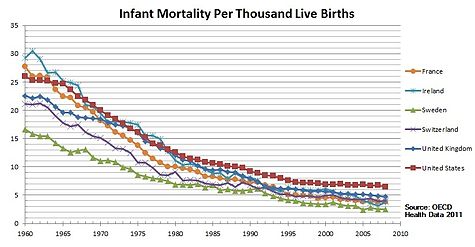
There has been a lot of speculation, lately, about vaccines possibly being harmful and, in particular, causing autism. You know I work on HIV vaccine design, so there's no need to say where I stand on the need of vaccinations. No link has been found between the incidence of autism and vaccination. Of course, medicine is not an exact science. Outliers will always exist. The U.S. seem to be a special case, as the vaccination schedule in this country requires a high number of vaccine doses, yet the infant mortality rate is one of the highest among North America and European countries. However, take a close look at this graph:
The countries with low mortality rate shown in this graph have a strict vaccination schedule, just like the U.S. On the other hand, what distinguishes them from the US is affordable health care. Countries with a high infant mortality rate are countries where poor people do not have access to vaccines and good health care. For the 3-million AIDS orphans living in sub-Saharan Africa a vaccine against HIV is the only hope they have to live into adulthood. It is quite easy for those of us who have a healthy life style and have access to food, medicines, and doctors on a daily basis, to say "no, thank you" to vaccines. But please, when you make your own decision about vaccines, do remember the millions of people for whom this is not a choice. And also remember: some children who are immunodefecient really cannot be vaccinated. They cannot contract any kind of disease, either, because their immune system is not working. However, if the majority of the people continue to get vaccinated, people who really cannot be vaccinated are still protected:
![]() |
| found on Facebook |
Back to autism. As you saw from my last post, ASD, or autism spectrum disorders, is indeed a puzzling disease and pinning down its etiology has been challenging. The genetics involve numerous genes and diverse pathways, implying that different mechanisms could potentially lead to ASD, particularly during fetal development. One thing that I recently discovered is a number of correlations found between infections in the mother during gestation and autism:
"Recent studies have highlighted a connection between infection during pregnancy and the increased risk of autism in the offspring. Parallel studies of cerebral spinal fluid, blood and postmortem brains reveal an ongoing, hyper-responsive inflammatory-like state in many young as well as adult autism subjects. There are also indications of gastrointestinal problems in at least a subset of autistic children [1]."In his review [1], Patterson makes a good summary of the relevant studies: for example, a permanent, inflammatory-like state has been found in postmortem examination of ASD affected brains. This was found at all ages, indicating that the state was established early in the development and maintained throughout the life-span of the ASD affected individual. These abnormalities expand to the central nervous system and the peripheral immune system affecting also the gastrointestinal tract:
"These findings include immune cell infiltrates present in the colon, ileum and duodenum, as well as increased T cell activation in the intestinal mucosa. These inflammatory changes are associated with autoimmune responses that could contribute to the observations of decreased mucosal integrity, or 'leaky gut' [1]."
"Abnormal activation of the immune system may also be involved in the etiology of autism. [. . .] Family members of autistic children, particularly the mothers, show a higher incidence of allergy or autoimmune diseases. Consistent with immune involvement are findings that maternal infection is a risk factor for autism [2]."In conclusion, there is a correlation between immune abnormalities and ASD, and the immune abnormalities propagate to the brain and the gastrointestinal tract. However, it is unclear if these abnormalities cause the behavioral symptoms of ASD or if they are a secondary effect. The health and well-being of our immune system has such deep, profound effects on the central nervous system. The two interact very closely together: stress and the general emotional status, for example, can affect immunity; vice versa, the immune system can influence behavior. Both our brain and our immune system constantly learn and readapt to the surrounding environment (for example, our immune system learns to recognize new pathogens throughout our lifetime), which makes them prone to life-long epigenetic changes induced by environmental factors such as stress and disease. It's not a coincidence that:
"Immune dysregulation has also been implicated in the etiology of a variety of neurodegenerative, psychiatric, and neurodevelopmental disorders, including Parkinson, Huntington, and Alzheimer diseases, multiple sclerosis, major depression, schizophrenia, and addiction [2]."Hsiao et al. [2] addressed the open question of whether the immunological abnormalities cause ASD-like behaviors in a mouse model. They induced ASD in mouse offspring through "maternal immune activation" (MIA): the immune system of pregnant mice was altered and then the offsprings of the altered mice that were behaviorally abnormal was compared to the offsprings of the controls. The behaviorally abnormal MIA offsprings exhibited core behavioral symptoms of autism, including increased repetitive behaviors, decreased social interactions, and increased anxiety. Hsiao et al. found several abnormalities in the immune system of these MIA offsprings: levels of regulatory T-cells were decreased and CD4+ T-cells were hyper-responsive. These abnormalities could not be transferred to healthy mice through a bone marrow from the MIA mice. However, when irradiated and transplanted with immunologically normal bone marrow, many of the behavioral abnormalities stopped. This would suggest that the immunological dysregulation causes the ASD-like behaviors.
"It is striking that in a mouse model of an autism environmental risk factor that exhibits the cardinal behavioral and neuropathological symptoms of autism, there is also permanent peripheral immune dysregulation. This finding provides the opportunity to explore molecular mechanisms underlying the relationship between brain dysfunction and altered immunity in the manifestation of abnormal behavior. Furthermore, this finding provides a platform for investigating how prenatal challenges can program long-term postnatal immunity, health, and disease. Maternal insult-mediated epigenetic modification in HSC and progenitor cells is one possible mechanism for how effects may be established by transient environmental changes yet persist permanently into adulthood. However, the BM transplant results suggest that the peripheral environment of the MIA offspring is also critical for maintaining a permanently modified immune state [2]."We will never be able to prove or disprove a direct causal relation between vaccines and autism: if a child develops ASD after vaccination, unfortunately, we cannot rewind time and see if the same child, without the vaccine, would've never developed ASD in his/her lifetime. ASD typically develops in infancy, which is when the bulk of vaccines are administered. The risk of ASD is much higher (see last week's post) if there's already a family member with ASD, siblings in particular. And given the deep, complex interactions and reciprocal influence between the nervous system and the immune system it is quite possible that a sudden change in the immune system could cause some level of disruption in the nervous system. However, if the immune system is primed to such risk, a virus or any other pathogen, which cause changes in the immune system just like a vaccine does, could also cause similar disruptions. On the other hand, vaccines can potentially prevent infections that, according to these studies, do increase the risk of ASD in the baby during the first trimester of gestation.
So, as always: Read the literature, talk to your doctor, possibly to more than one, consider your family's medical history, and, whatever decision you make, make sure it is an informed decision.
[1] Patterson, PH (2011). Maternal infection and immune involvement in autism Trends in Molecular Medicine DOI: 10.1016/j.molmed.2011.03.001
[2] Hsiao EY, McBride SW, Chow J, Mazmanian SK, & Patterson PH (2012). Modeling an autism risk factor in mice leads to permanent immune dysregulation. Proceedings of the National Academy of Sciences of the United States of America, 109 (31), 12776-81 PMID: 22802640
Labels:
ASD,
genetic diseases,
genetic effects,
immune system,
neuroscience
Wednesday, December 11, 2013
Origins
![]() |
| Origins, by EEG |
I started a new gallery on my website, titled New Beginnings, and this is the last piece I've uploaded. I hope you enjoy it!
Labels:
My photos
Sunday, December 8, 2013
Autism: not one disease but a spectrum of disorders; not one gene but a network of gene coexpressions.
"Autism spectrum disorder (ASD) is a lifelong developmental condition that affects about 1 in 110 individuals, with onset before the age of three years. It is characterized by abnormalities in communication, impaired social function, repetitive behaviors and restricted interests [1]."ASD is more common among males than females, with a 4:1 male to female ratio. Numerous studies in the literature have shown evidence for a strong genetic component of autism, with a risk up to 25 times higher among siblings compared to the general population. However, if you look at the literature, you find that these numbers change pretty dramatically from study to study. This is often the case when you look at rare disorders in conjunction with rare mutations (WARNING: the rest of the paragraph is a statistical digression, feel free to skip to the next section). The smaller the effect you are trying to measure, the more subjects you will need in your study. This is also true if you are testing many variants, as for example in GWAS studies, which investigate variants in the whole genome. If the effect is big enough, you will find statistical support for your association, however, if your sample size is not big enough, the effect you are trying to measure will vary greatly from study to study. This is because the smaller the sample size, the larger the variance, which is stat jargon to say that whatever you are trying to measure (typically an increase in risk) is likely to be different if you repeat the study.
What do we know about the genetic etiology of ASD? About 10% of people diagnosed with ASD have some underlying genetic syndrome (including mitochondrial genes). About 5% are due to rare chromosome rearrangements, for example changes in the size, shape, or number of some chromosomes. Another 5% has been associated to both inherited and de novo "copy number variations" (CNV), the presence of extra copies of some genes [1]. CNV is not rare among humans, as it accounts for approximately 0.4% of the variation between unrelated genomes. Identical twins also differ in CNV, and, even though they have identical genomes, the copy number of the genes may differ between the two. Despite this, in some families with a history of ASD the proportion of de novo CNV's has been found to be up to five times higher than in families without a history of ASD. Finally, thanks to recent advances in sequencing technology, de novo point mutations throughout hundreds of genes have been found and implicated in about 15% of ASD cases [2].
In light of the variety of mutations, genes, and phenotypes associated with ASD, two studies published in the last issue of Cell addressed the following question:
"do these genetic loci converge on specific biological processes, and where does the phenotypic specificity of ASD arise, given its genetic overlap with intellectual disability (ID)? [2]"
"if and when, in what brain regions, and in which cell types specific groups of ASD-related mutations converge during human brain development [3]" ?Of the two papers, I've so far only read the one by Willsey et al. [3], who combined their own data with already published data and identified 144 de novo "loss-of-function (LoF)" mutations, in other words, mutations that impair the functionality of the gene (hence the corresponding protein is no longer produced). They called genes with 2 or more de novo LoF mutations "hcASD", or "high confidence" ASD because statistically they had a high probability of being truly associated with ASD. They also analyzed a less-likely set of genes with only one de novo LoF mutation, which they called "pASD genes".
Next, the researchers investigated when and where these genes are expressed during brain development. The way they did this is a bit technical, but to think about it in simple terms think of it this way: (1) they needed samples from brain tissues taken at different developmental stages; (2) they needed to look not just at one gene, but at families of genes that are likely to interact together and influence one another's likelihood of getting turned "on" and "off". When a gene is turned "on", the gene is coding a protein, and we say that the gene is "expressed."
To carry on their analysis, Willsey et al. used data published by Kang et al. (Nature, 2011) from "57 clinically unremarkable postmortem brains of diverse ancestry (31 males, 26 females) that span 15 consecutive periods of neurodevelopment and adulthood from 5.7 postconceptual weeks (PCW) to 82 years." The gene expression values were determined for each gene by brain region and by postmortem brain sample. Brain regions were grouped according to transcriptional similarity during fetal development. These data were used to generate 52 gene coexpression networks, each network composed of the hcASD genes and their top correlated genes. This coexpression network analysis is a technique that's been extensively used lately to analyze patterns of co-expressions of genes. Each gene in the network is represented by a node, and any two nodes (genes) at any given time are connected if the genes are expressed at that time.
Using this set-up, the researchers were able to link the ASD genes to particular brain regions and developmental phases.
"Our analysis identifies robust, statistically significant evidence for convergence of the input set of hcASD and pASD risk genes in glutamatergic projection neurons in layers 5 and 6 of human midfetal prefrontal and primary motor-somatosensory cortex (PFC-MSC). Given the extensive genetic and phenotypic heterogeneity underlying ASD and the small fraction of risk genes that we have examined in this study, this likely represents only one of several such points of convergence. Nonetheless, the analytic approach presented here clarifies key variables relevant for productive functional studies of specific ASD genes carrying LoF mutations, providing an important step in moving from gene discovery to an actionable understanding of ASD biology [3]."Cortical glutamatergic projection neurons (CPNs) are a class of neocortical neurons. They are called "projection" neurons because they transmit information from the neocortex to other neocortical and central nervous system regions. During development, projection neurons are generated in the neocortical germinal zone and migrate radially to their final neocortical position. In their study, Wyllsey et al found that the development of midfetal CPNs is particularly vulnerable to ASD. Furthermore, the set of ASD genes they identified as associated to ASD are functionally diverse and encode proteins found in distinct cell compartments, confirming the theory that ASD can be caused by different and distinct pathways.
"Given recent studies suggesting that as many as 1,000 genes or more could contribute to ASD (He et al., 2013; Iossifov et al., 2012; Sanders et al., 2012), our analysis has uncovered a surprising degree of developmental convergence. Despite starting with only nine hcASD seed genes, we have identified highly significant and robust evidence for the contribution of coexpression networks relevant to L5 and L6 CPNs in two overlapping periods of midfetal human development (3–5 and 4–6) corresponding to 10–24 PCW [3]."The importance of these studies lies in the understanding of not just the genetic association per se, but in the mechanisms that drive these associations, and, most importantly, how the numerous genes interact and when.
[1] Devlin and Schrer (2012). Genetic architecture in autism spectrum disorder Genetics & Development DOI: 10.1016/j.gde.2012.03.002
[2] Neelroop N. Parikshak, Rui Luo, Alice Zhang, Hyejung Won, Jennifer K. Lowe, Vijayendran Chandran, Steve Horvath, Daniel H. Geschwind (2013). Integrative Functional Genomic Analyses Implicate Specific Molecular Pathways and Circuits in Autism Cell DOI: 10.1016/j.cell.2013.10.031
[3] A. Jeremy Willsey, Stephan J. Sanders, Mingfeng Li, Shan Dong, Andrew T. Tebbenkamp, Rebecca A. Muhle, Steven K. Reilly, Leon Lin, Sofia Fertuzinhos, Jeremy A. Miller, Michael T. Murtha, Candace Bichsel, Wei Niu, Justin Cotney, A. Gulhan Ercan-Sencicek, J (2013). Coexpression Networks Implicate Human Midfetal Deep Cortical Projection Neurons in the Pathogenesis of Autism Cell DOI: 10.1016/j.cell.2013.10.020
Labels:
ASD,
behavioral science,
DNA,
genes,
genetic effects,
neurons,
neuroscience,
Research Blogging
Tuesday, December 3, 2013
Capturing love and fear: interview with poet, artist and radio host Lauren Camp
Some time ago I received a plea for help from a friend: "I need an author photo for my upcoming poetry book!" Of course I was willing to help. However, author photos have to abide to certain constraints, and though we did get a nice image that we both liked for her book, my friend promised me a rain check: a portrait photoshoot at her house, no limits on creativity. And I knew she meant it because her own creativity knows no limits.
My friend is award winning artist, poet, and KSFR radio host Lauren Camp, and her new book, The Dailiness is a collection of poems that just came out this month. So, a few weeks later, I load my softboxes, props, and photography gear in the car and drive to Santa Fe, where Lauren lives with her husband and cats. Their home reflects their artistic spirit: there are blues and purples in the kitchen, yellows and pinks in the living room, greens in the bedroom. It's a feast for the eyes! I start assessing natural light versus softboxes, different backgrounds, different poses. It's not until later that I notice the art on the walls and how well it blends with the colors and warmth of the rooms.
Hanging on a textured yellow wall, is a 40-inch wide portrait of Thelonious Monk sitting at the piano with his signature hat. On the adjacent wall, deep purple this time, is a mosaic of six square frames showcasing waves of interlacing patterns. As I get closer and take a better look, mesmerized by the patterns and colors, I realize I'm not staring at pictures. I'm staring at fine and detailed threadwork layered on fabric: Monk's fingers, his tie, his hat, the piano's keys--everything is carved out of tiny pieces of fabric threaded together.
In the bedroom, beside a collection of African baskets and New Mexican vases, I find one of Lauren's self-portraits, embroidered with verses from her poems. The green of her bedroom intrigues me the most, so I decide to start from there. Lauren recites poems, she tells me about her visual art, and I take pictures. That's how I learn that the Monk portrait in the living room was part of Lauren’s solo exhibit, The Fabric of Jazz: A Tribute to the Genius of American Music, which traveled to museums in ten cities from 2004 to 2007, including stops at the American Jazz Museum and the Delta Blues Museum.
So, here she is, telling me how she feels intimidated by my "probing lens," while I'm completely immersed and surrounded by her amazing artwork. How do I render the immense creativity of the person in front of me?
Lauren's poetry is as musical as her voice: words become notes and notes become melodies, like the poem "A Hum", dedicated to jazz bassist Charles Mingus:
"Notes that curve and pitchLauren's words stretch, curve and pitch onto the page, her images turn into sound, and Mingus's rich, meditated tones come to live.
across the room
a sound that stretches out like wings"
"Why Jazz?" I ask. I'm myself a huge Jazz fan, so I'm always intrigued by other people's reaction to my favorite music genre.
"Jazz has long been my favorite music genre. I like how complex it is, and how much history it pulls into it. But I am also very satisfied by world music -- or, better yet, by the blend of jazz, world and other sounds. That's how "Audio Saucepan" developed... because I wanted a combination that would surprise a listener. Part of my mission with the show is to segue between continents and eras and genres seamlessly."
Audio Saucepan, Lauren's radio show, airs on KSFR every Sunday evening. I ask Lauren how it all started.
"I have been a KSFR host and producer since 2003. For six years, I did a 3-hour show on Monday mornings. The format was strictly jazz, but I slipped in a poem between improvisations each week. Toward the end of that time, I also co-hosted a program called "Poetry Talk" for about a year. In 2010, I transitioned to "Audio Saucepan." I wanted several things: a) to shorten the show and make every word and sound count, b) to incorporate more poetry, and c) to widen the borders of the music beyond jazz to the full borders of the world. The show airs on Sunday evenings, 6-7PM Mountain Time. On Sunday evenings, especially, the station is nearly — if not entirely — vacant. I select the music and poems and engineer the show. It's a full hour of intense multi-tasking. Back before I started at KSFR, I was lucky to have some training at KUNM. This gave me the nuts and bolts of how sound is modulated, how to fade, how to control ambient noise — these sorts of things."
We find a blue scarf and some peacock feathers and together we arrange a somewhat unique headdress. "Your voice is so musical," I say. "Does it come natural to you or did you have some training?"
"I didn't have any voice training. In graduate school, I had one professor (I was studying oral interpretation of literature, a sideline to my main focus of advertising and public relations) who didn't approve of my New York accent, and became determined to help me rid or reduce it."
The KSFR website calls the show "Gourmet sounds for your ears and mind." Lauren herself defines it "a potluck of reason and tempo, a spicy mash of border-defying jazz, Americana, contemporary classical and world music with interpretive readings and random philosophical fragments." I suddenly realize that this blending of different senses -- flavors, sounds, visuals, music, colors, textures -- is the common denominator in all of Lauren's art.
"My materials," Lauren explains, "are cotton swatches, old portraits, an internalized map of the new freeway, threads of all weights and hues, tools for cutting, splicing, sewing. Lines of poetry (my own and words by others) enter my thoughts as lines and color. A phone call from my father. A drive home. My fingerprint on the door, on the mirror. Art and poetry are twin efforts in my world. One is always stronger, the other meeker — though who and which change regularly. I move back and forth between the creative worlds. After years of working with figures and faces, I began exploring abstraction, depth and surface texture in my art. We encounter fabric every day, either wearing it, sitting on it, opening and closing it. It is tangible — but then, the flip side — it’s unexpected as an art medium. That dichotomy pleases me: the known/unknown of it, and the chance to push it to become something else, to change it, to attempt to control it."
The Dailiness is Lauren's second poetry collection, after the This Business of Wisdom published by West End Press in 2010. Her next book? A story about her father's childhood as she rediscovers her own heritage.
"My father was born in Baghdad, Iraq in 1935 and emigrated to the U.S. in 1950. He was a political refugee, though he never told us that -- or, in fact, much of anything about his childhood. Imagine?! Coming to a new country all the way on the other side of the world. (He came by himself two weeks after his family because of illness and also a problem in the country... they wanted a strapping 15-year old boy to be part of their army.) But he came... and tried to become American... and leave Iraq behind.
For at least three years, I have been working on a sequence of poems about his childhood. I've had to imagine a lot of it, and to do that, I've read and studied photos, listened to the beautiful oud music that emerges like desert heat from that land. I've asked questions of relatives, and have my own memories of his culture and rituals, my own answers, too. All of this fits into the puzzle that will someday become a book called One Hundred Hungers."
We move to the living room, where a warm light filters in from tall windows and highlights a bright yellow wall. Lauren shows me a long red scarf and wears it over her head. Suddenly, I see her Middle Eastern heritage in her eyes and I feel eager to capture it.
"For more than a decade, I created two-dimensional works — many of them portraits (either of jazz musicians or self-portraits) using only fabric and thread. Lately, I have been making more sculptural, abstract works that mix fabric with other media (paint, glass, wood, found objects, and other things). The work has quieted, I believe, as my poetry has gotten more demanding. The stories I once told only in art now have another medium to emerge from, and so the art becomes a place for meditation."
As we wrap up our photoshoot, I take one last shot of the mirror by the door before packing away my things. Lauren and her husband David give me a tour of their studio, a space that exudes creativity from every wall, and then I drive off. Jazz plays on the car stereo. Our endless New Mexico horizon embraces me on my way home. As I take in the deep blue of the sky, the bright orange of the land, and the harsh light that blends them together, Lauren's words echo in my mind:
"While I’m working I consider moments of intimate precision, and chance. What happens is not entirely my doing, nor am I simply a vessel. I think, letting go through my fingertips. What I love most I capture; and what I fear — space, love — I capture that, too, if I am confident enough."
Labels:
My photos,
writer friends
Saturday, November 23, 2013
Displacement
I think Magritte would've loved to visit Ghost Towns. :-)
Latest addition to my portfolio.
Wishing everyone a great week-end!
Labels:
My photos
Wednesday, November 20, 2013
Ghost Town
Three images from a recent visit to a ghost town.
Which one do you prefer?
![]() |
| Longing by EEG |
![]() |
| Remembering by EEG |
![]() |
| Mind Prisoner by EEG |
Labels:
My photos
Friday, November 8, 2013
November
Seems that the change in season brings around darker moods.
Not thrilled about these latest works, but I decided to upload them to my portfolio anyways.
Wishing everyone a wonderful week-end!
Awesome texture by the talented Karen Waters.
Not thrilled about these latest works, but I decided to upload them to my portfolio anyways.
Wishing everyone a wonderful week-end!
![]() |
| Foggy Morning by EEG |
![]() |
| Chasing Dreams by EEG |
Awesome texture by the talented Karen Waters.
Labels:
My photos
Sunday, November 3, 2013
A new viral vector raises hopes for an HIV vaccine
Because I work on HIV vaccine research, I often talk about vaccines and HIV vaccine design in particular. So far, there have been several phase I HIV vaccine trials, but very few have made it into phase III. One such case was the STEP trial, which was abruptly halted in 2007 after preliminary results showed that not only the vaccine was not protecting people from getting the virus, but the rate of HIV infections was actually higher in the vaccinated subjects compared to the subjects that received a placebo. Even more alarming was that this increase in acquisition risk lasted years after vaccination.
What went wrong in the STEP trial?
Vaccines are made of a "wimpy" version of the virus: you have to use enough genetic material from the virus in order to induce antibody production, but not enough to start an infection. We call the modified virus used in a vaccine "immunogen." The immunogen is only one part of the vaccine "recipe", the other part is what we call a vector, a structure that carries the immunogen and presents it to the immune system. Viruses make excellent vectors because they are like little "boxes" that are programmed to enter cells. And of all possible viral vectors, the most often used are adenoviruses because they are very common in the human population (they cause the common cold) and are therefore considered to be safe to "hijack" into carrying vaccine immunogens.
The STEP HIV vaccine was made of an adenovirus vector (recombinant adenovirus serotype 5 or rAd5) expressing the HIV proteins gag, net, and pol. When researchers looked back at what could've possibly gone wrong they found that the rates of infections were significantly higher in subjects that had been previously infected with Ad5 and had preexisting immunity against Ad5.
The HIV community feels so baffled by the failure of the STEP vaccine trial that at a recent conference I attended, the director of the Fred Hutchinson Cancer Research Center said quite vehemently that we should all move away from vector vaccines and do DNA vaccines instead. Since DNA is naturally absorbed by cells, DNA vaccines bypass the need of a vector.
In truth there's still strong hopes for vector vaccines. The natural question to ask in light of what happened with the STEP trial is: can we use a vector that instead of worsening the immune response actually makes it better?
It turns out that there is, and it's called Cytomegalovirus, or CMV. Like adenoviruses, CMV's are also very common in the human population and typically asymptomatic unless there are other underlying conditions.
If you remember roughly how the immune system works, we have two kinds of "sentinels" looking out for invaders: B-cells, which produce antibodies, and T-cells. While antibodies bind to viral particles, thus preventing the virus to enter and infect cells, T-cells recognize infected cells and destroy them. This recognition mechanism is based on the fact that infected cells express fragments of viral proteins (epitopes) on their surface. The T-cell recognizes those proteins as foreign and as a flag of infection and thus kill the cell before it starts replicating the virus.
Eliciting antibodies able to clear the HIV virus through a vaccine has proven very challenging (I discuss why in this post). But what about T-cell vaccines? In [2] Hensen et al. showed that a CMV vector SIV vaccine was able to elicit over three times greater breadth T-cell response in rhesus monkeys and about 50% of the vaccinated animals, once challenged with SIV (the simian version of HIV) were able to clear the infection without getting sick.
The vaccine was made of a recombinant rhesus monkey cytomegalovirus (strain 68-1 RhCMV) engineered to express simian immunodeficiency virus (SIV) genes.
"The key finding of Hansen et al. is that strain 68-1 RhCMV elicited CD8+ T cell responses that target SIV epitopes that were completely different from those generated by SIV infection itself, by other virus-based vectors, or by wild-type RhCMV expressing SIV genes [1]."Typically during an HIV infection, the immune system starts producing T-cells that attack a limited number of epitopes, in other words a limited number of viral protein fragments that infected cells express on their surface. So, the key finding in this study was that using a CMV vector increased the number and variety of epitopes that the T-cells were able to recognize.
"We conclude that RhCMV has an intrinsic ability to elicit CD8+ T cell responses to unconventional epitopes, distinct in quality and quantity from all infectious agents studied to date. [2]."As you know, HIV's winning strategy to evade the immune system is its ability to "hide" by constantly changing its genetic structure. This is favored by the fact that under normal circumstances T-cells recognize only a limited number of epitopes. In this light you can see why increasing the magnitude and breadth of the T-cell responses is effective in defeating the virus: once primed with the CMV vector, T-cells were not only able to recognize many more epitopes, but different "versions" of such epitopes, meaning that even when the virus came up with a mutation at a certain epitope, the T-cells were still able to recognize it and kill the infected cell.
These are remarkable results and I can't wait to follow this story as it moves to its next step -- human clinical trials.
[1] Nilu Goonetilleke, Andrew J. McMichael (2013). Antigen Processing Takes a New Direction Science DOI: 10.1126/science.1239649
[2] Scott G. Hansen, Jonah B. Sacha, Colette M. Hughes, Julia C. Ford, Benjamin J. Burwitz, Isabel Scholz, Roxanne M. Gilbride, Matthew S. Lewis, Awbrey N. Gilliam, Abigail B. Ventura, Daniel Malouli, Guangwu Xu, Rebecca Richards, Nathan Whizin, Jason S. Reed (2013). Cytomegalovirus Vectors Violate CD8+ T Cell Epitope Recognition Paradigms Science DOI: 10.1126/science.1237874
Labels:
HIV,
immune system,
vaccine,
virus
Subscribe to:
Posts (Atom)